From the Memory of the Holy Family to the Design of Cultural, Spiritual and Inner Experiences: How DMCs, Guides, Suppliers, Communities and Local Producers Can Build a New Layer of Travel in Egypt
There is an Egypt that immediately presents itself to the eye: the pyramids of Giza, the temples of Luxor, the tombs of the Valley of the Kings, museums, the Nile and the Red Sea coast. Much of the international tourism imagination has been built around this heritage, which will continue to be one of the destination’s driving forces.
Coptic heritage, by contrast, consists of churches shaped by centuries of devotion, desert monasteries, icons darkened by incense, manuscripts, caves, wells, trees associated with tradition and liturgical chants. A fundamental component of national history, it opens up, through the journey of the Holy Family, a layer less familiar than the Pharaonic one.
According to Coptic tradition and the route promoted by the Egyptian authorities, the Holy Family Route crosses Sinai, the Delta, Cairo, Wadi El Natrun, Middle and Upper Egypt. Rafah, El-Arish, Tell el-Farama, Tell Basta, Mostorod, Belbeis, Samannud, Sakha, Matariya, Haret Zuweila, Coptic Cairo, Maadi, Gebel al-Tayr, al-Ashmunein, Dair Abu Hinnis, al-Muharraq and Durunka are some of the places associated with the Holy Family’s passage.
Reconstructions do not always coincide: some identify twenty-five stops, while others make further distinctions between churches, monasteries, wells and places of devotion. This variation suggests an interesting interpretation: not merely a linear itinerary to be followed in full, but a constellation of places, stories and experiences from which different routes can be built.
The Holy Family Route in Egypt offers DMCs and travel designers a framework for connecting Coptic heritage, active monasteries and local communities with cultural, spiritual and reflective experiences.
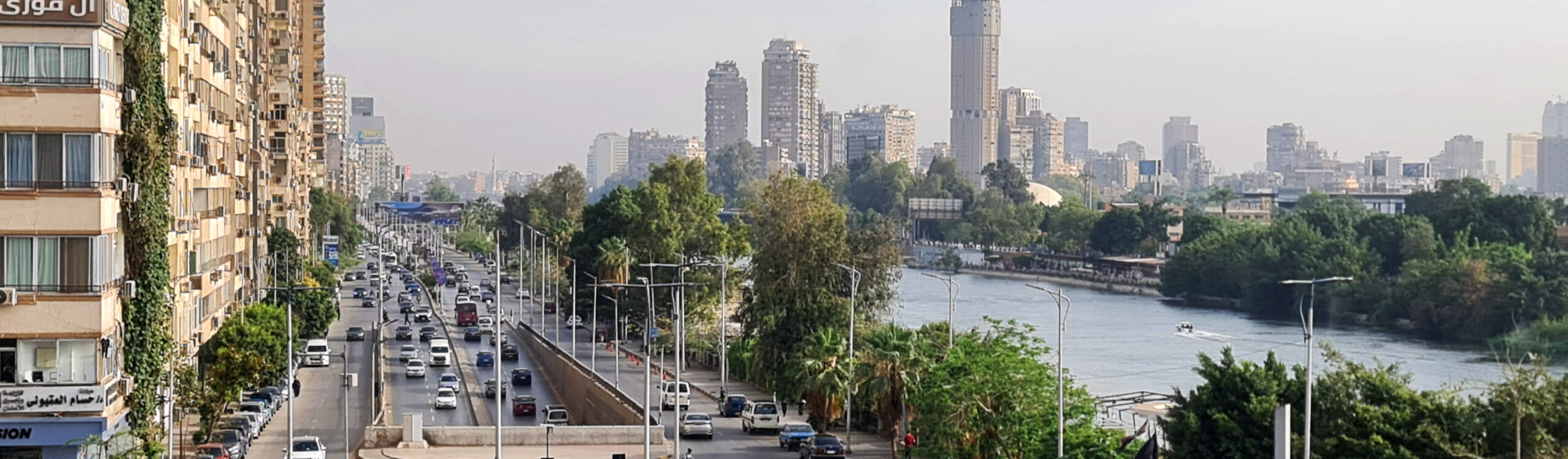
Not a New Egypt to Replace the Existing One, but a New Layer to Add
For DMCs, tour operators and travel designers, the most interesting possibility does not necessarily lie in a standalone product intended exclusively for pilgrimage, although this is one of its natural markets.
The Holy Family Route can become a modular platform incorporated into existing programmes, adding depth to a destination known primarily through its Pharaonic heritage.
A stay in Cairo can include a few hours or a day devoted to Coptic Egypt. A cultural itinerary can reach Wadi El Natrun and introduce monasticism and the desert; a Nile programme can include sites in Middle and Upper Egypt. A pilgrimage can cover a larger part of the route, while slow travel can find opportunities for silence and contemplation in monasteries and communities.
The same infrastructure thus generates religious, historical, cultural and artistic offerings, or programmes devoted to crafts, music and gastronomy. It can also open up a space for slowing down and personal reflection.
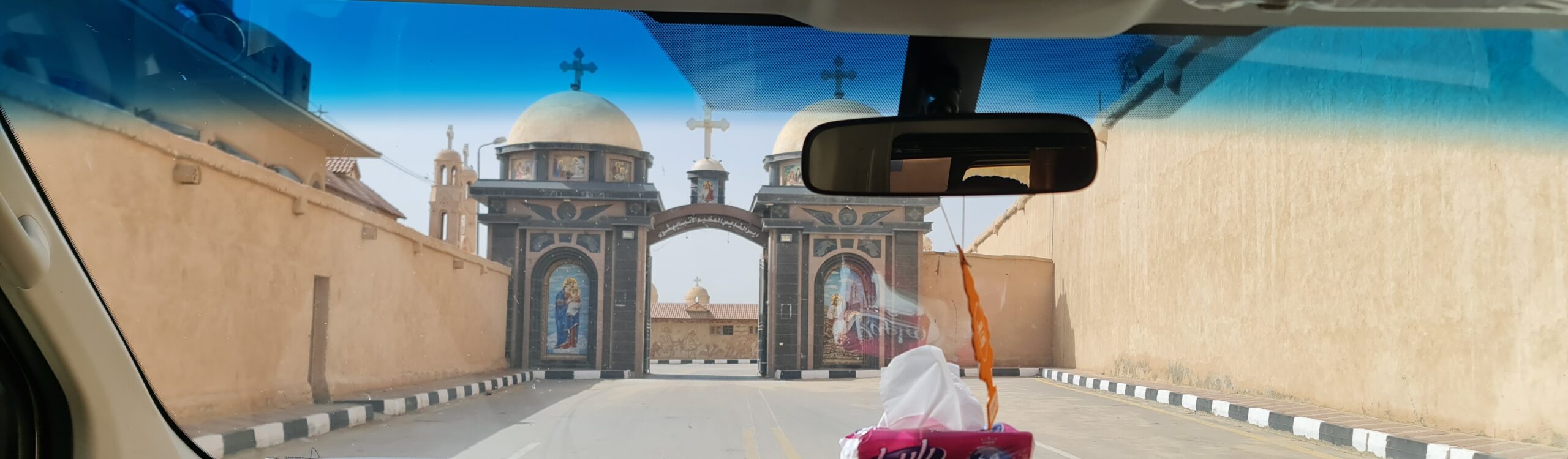
From a Point on the Map to an Experience: The Supply Chain That Builds the Journey
Between a church on a map and an accessible experience lies work that is often invisible: accessibility, transfers, permits, opening hours, safety, accommodation capacity, language mediation, guides, dining, photography, community relationships and visitor flows.
The DMC must become the director of the experience, understanding where to take travellers and with what pace, narrative and interlocutors.
A monastery visited between long transfers remains a monument in a crowded programme. Included in a day that allows space for the landscape, explanation, a possible encounter and individual observation, it can illuminate a chapter of Christian history.
This means explaining the devotional value of a well, the presence perceived in a cave or tree, the spiritual role of the desert and the language of the icon.
Historical documentation, religious tradition and community memory must be distinguished without confusing or devaluing them.

Egypt: From a Land of Exile to a Land of Salvation
One of the route’s deepest themes lies in the symbolic transformation of Egypt within the Christian narrative.
Matthew echoes Hosea: “Out of Egypt I called my son.” In Exodus, Egypt is the land of slavery; in the account of Jesus’ childhood, it becomes the refuge to which Joseph takes Mary and the child to escape Herod.
In the Christian reading, a reversal occurs: the land associated with slavery becomes protection. In Coptic memory, Egypt welcomes and shelters the fleeing family.
The travel designer can build on this narrative key through universal themes: travel, vulnerability, safety, hospitality and refuge, capable of speaking to non-devotional visitors too.
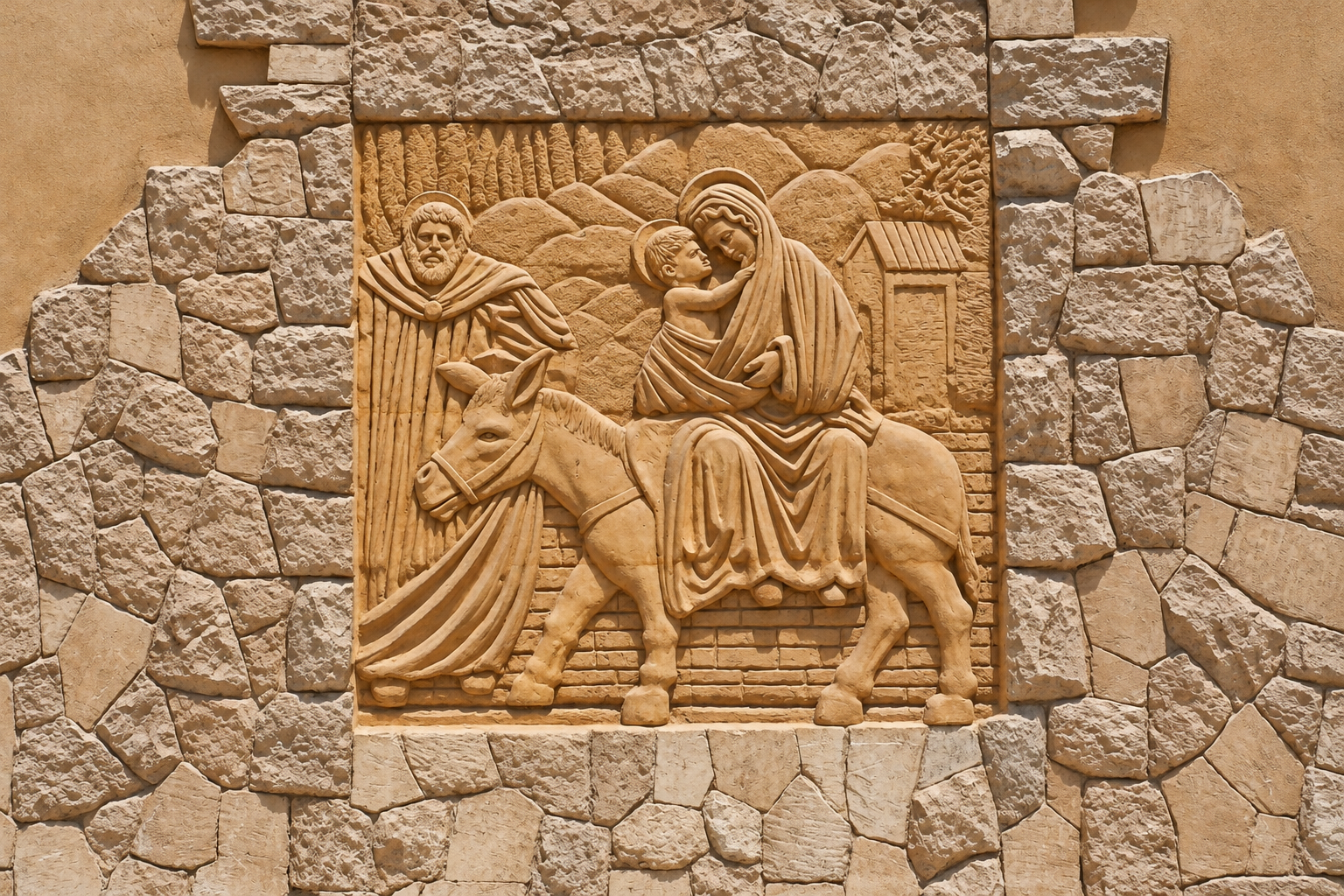
The Incarnation: When Geography Preserves Memory
In Coptic spirituality and the Alexandrian Christian tradition, the Incarnation is central: the divine enters history and assumes the human condition.
This helps explain the value of physical places. Caves, trees, wells, mountains and springs are not merely coordinates, but places in which generations have passed down the memory of the Holy Family.
Their value also comes from the centuries of storytelling, devotion and community continuity that have gathered around them.
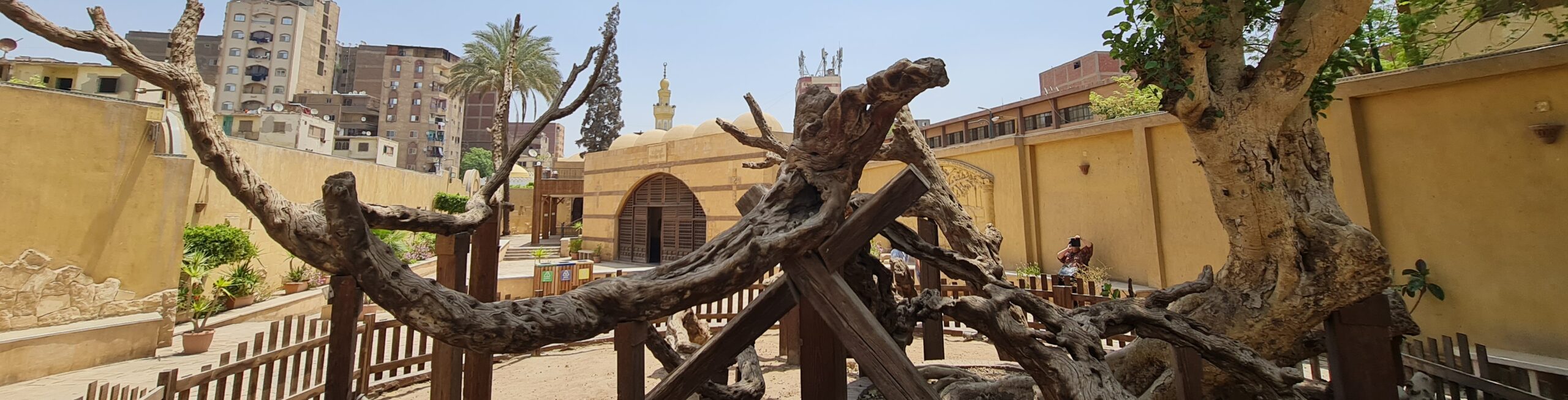
Who Are the Copts? Ancient Egypt Entering the Christian Era
The journey reveals how deeply Coptic history belongs to Egypt.
The term derives, through Arabic, from the Greek Aigyptios, “Egyptian”. It originally referred to the Christian Egyptian, later becoming a religious and cultural designation.
The Coptic language represents the last known stage of ancient Egyptian. It uses a predominantly Greek alphabet, supplemented by Demotic signs for Egyptian sounds.
A manuscript page can thus bring together Pharaonic memory, the Hellenistic Mediterranean and Christianity.
The guide can turn this theme into a micro-experience: showing letters, letting visitors hear the liturgy or explaining through a manuscript how a language becomes an archive of memory.
The Church of Martyrs and Memory as Identity
Martyrdom is essential to understanding Coptic identity.
The calendar uses the Era of the Martyrs, beginning in AD 284 with the accession of Diocletian, associated with the great persecutions.
“Church of Martyrs” therefore denotes memory understood as testimony and the ability to endure suffering while preserving identity.
Images and celebrations continue to shape collective identity, beyond the remembrance of the past.
From Pharaonic Egypt to Christianity: Continuity Without Confusing Religions
There is no linear doctrinal continuity between ancient Egyptian religion and Coptic Christianity. It is appropriate to speak of reuse, formal persistence and reinterpretation within an environment transformed by Hellenistic, Roman and Christian culture.
Light, the desert, plant motifs and representations of motherhood belong to this long history, but are not automatically survivals of Pharaonic religion.
The similarities between Isis with Horus and the Virgin with Jesus also require caution: the relationship is debated and does not establish direct derivation. Figurative forms can cross different contexts and acquire new meanings.
Egypt thus appears as a territory in which each era inherits and rewrites part of the one before it.
The Icon as Experience, Not Decoration
Egyptian Christian images arise from the encounter between local tradition, the Greco-Roman world, Byzantine culture and Eastern spirituality.
Frontality, large eyes, the rejection of naturalistic perspective and simplicity create a language that does not imitate a real scene, but establishes a relationship.
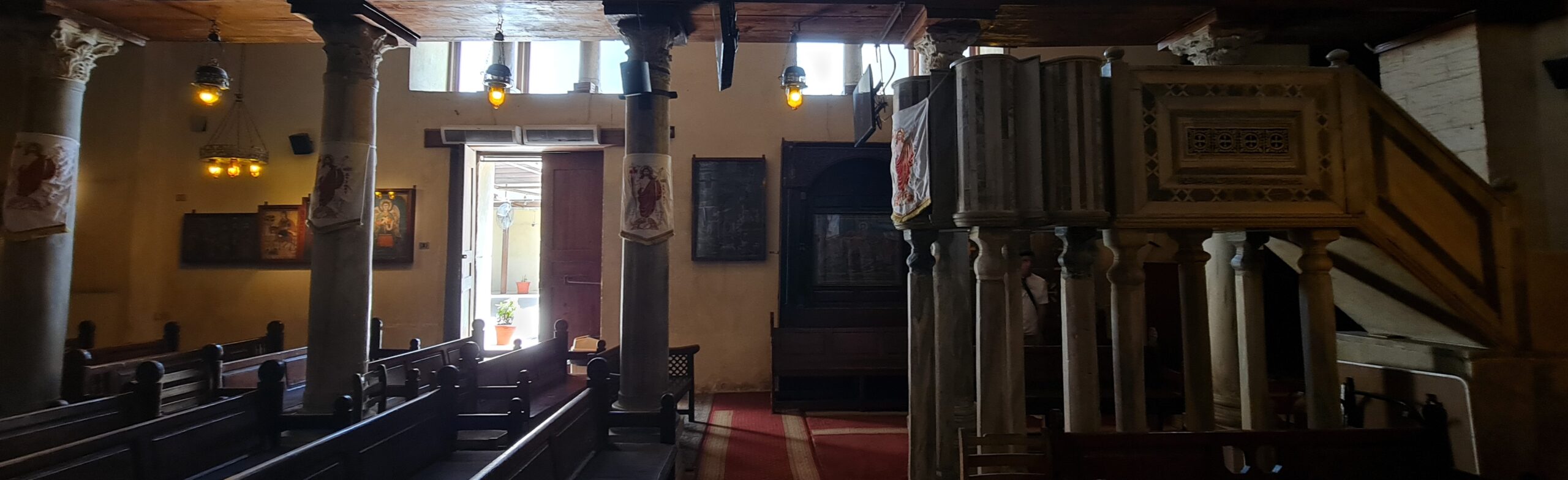
The saint looks at the observer within a suspended space. In its religious function, the icon is something before which to pause.
A guide can begin with the eyes, posture, colours and relationships between figures, explaining how simplification directs attention towards a spiritual meaning.
Twenty minutes before an image can produce more understanding than many works passed by quickly.

Vines, Grain, Ostrich Eggs: Learning the Language of Symbols
The vine refers to the Gospel and the relationship between Christ and the faithful, but also to Mediterranean agricultural culture. In capitals, woodwork and textiles, it can signify life, belonging, fertility and continuity.
Grain evokes nourishment, Eucharistic bread, sacrifice and resurrection; in the monastery, also work and simple food.
The ostrich egg, suspended in some churches near lamps or liturgical spaces, is associated with emerging life, resurrection and vigilance.
Variants of the Coptic cross, with interlacing patterns, symmetry and floral motifs, form a grammar that changes across regions and centuries.
Heritage becomes a language to learn.
From the Fayum Portraits to Contemporary Coptic Art
The Fayum funerary portraits belong to Roman Egypt, but help tell the story of the transition from late antique naturalism to subsequent spiritual languages.
Coptic art brings together Egyptian, Hellenistic, Roman and Byzantine elements in an independent synthesis, oriented towards liturgical and contemplative functions.
In the twentieth century, Isaac Fanous contributes to the revival of modern iconography, reworking tradition.
Churches, workshops and diaspora communities keep this artistic form in practice.
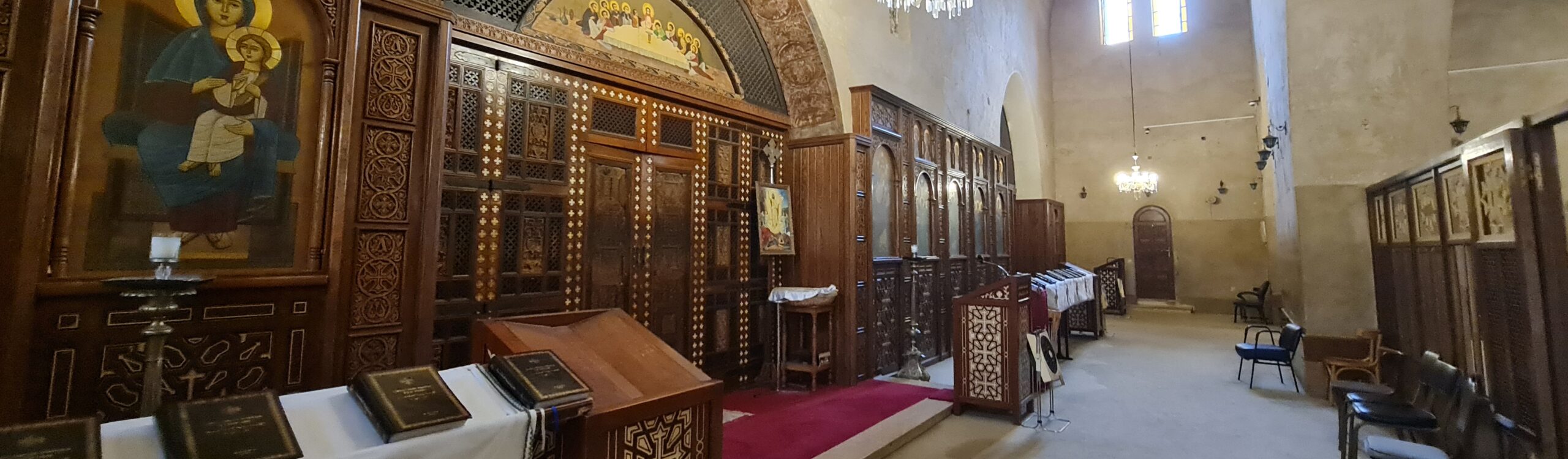
Saints as Archetypes of an Inner Landscape
Saints can become narrative keys for different audiences.
Saint Anthony represents the desert, solitude and inner struggle; Saint Pachomius the transition to an organised community, in which prayer, work and discipline are shared.
Saint Athanasius, author of the Life of Anthony, connects monasticism and ancient theology; Saint Cyril of Alexandria introduces the Incarnation.
Mary crosses the route as protection, motherhood and refuge. Saint Menas opens a path towards pilgrimage and healing, Saint Demiana towards female spiritual strength, and Saint George towards the struggle against chaos through the horseman and the dragon.
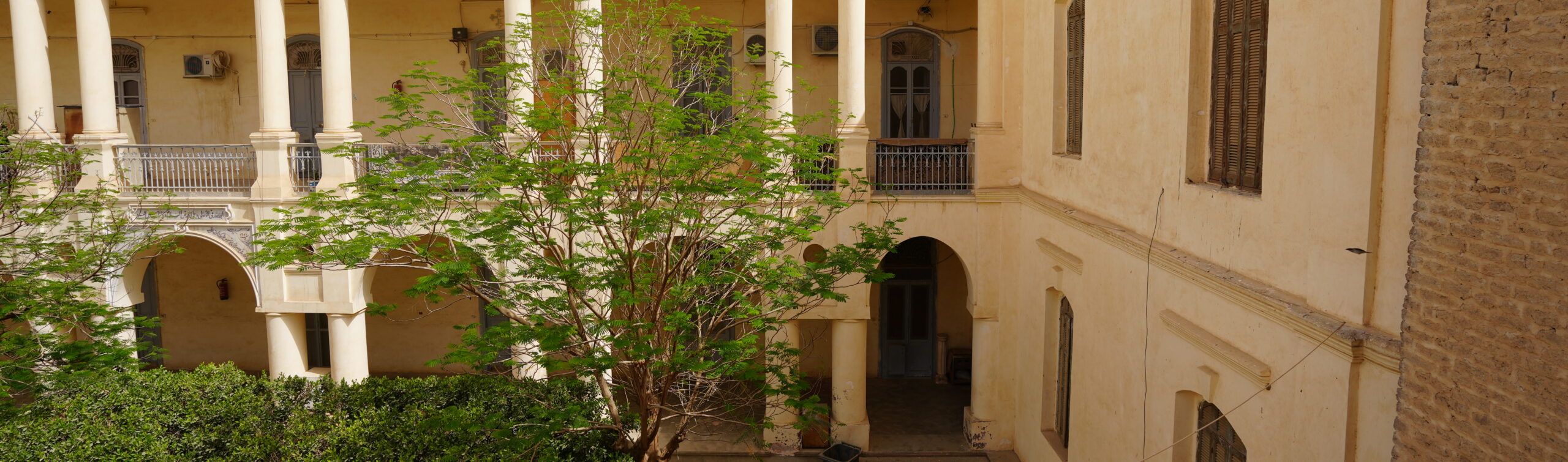
From the Fleeing Child to the Desert Fathers
Between the third and fourth centuries, the Egyptian desert becomes a spiritual laboratory.
Saint Anthony is a foundational figure of the eremitic model, although other forms of asceticism preceded him. Saint Pachomius organises communal cenobitic life, influencing later traditions.
Macarius, Evagrius Ponticus and other men and women transform the desert into a place for observing consciousness.
The absence of distractions brings thoughts, desires and fears to the surface, demanding a confrontation with oneself.
A discipline of attention emerges, founded on silence, asceticism, prayer, work and the observation of thoughts.

Hesychia: When Silence Becomes Content
Hesychia denotes stillness, contemplation and presence: a quality of attention that reduces inner noise and makes listening possible.
In a society of notifications and stimuli, this culture opens up a relevant contemporary experience.
It does not mean turning the monastery into wellness or religious practices into motivational techniques, but respectfully approaching a coherent system of prayer, work, landscape and community.
Silence, reading and writing can become part of the journey; encounters with monks only when arranged and authorised.
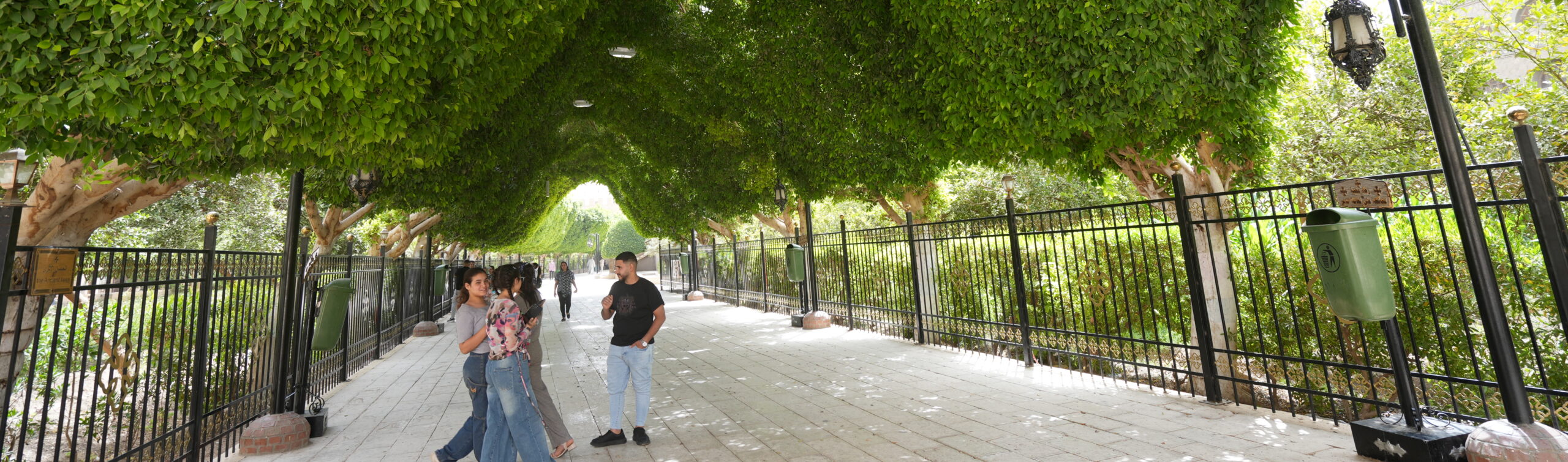
From the Desert to Europe: The Monastery as an Organisational Invention
Egypt was a centre of Christian monasticism alongside Syria, Palestine, Cappadocia and other Eastern regions. Through texts, travellers and John Cassian, its models influenced the process from which Mediterranean and European forms emerged.
The decisive transition transforms the hermit’s experience into communal life.
The cell allows contemplation, the church organises the liturgy. Prayer marks time without removing work and material needs.
Cultivating, building, producing and managing resources acquire disciplinary and spiritual meaning within the same architecture of communal life.
The Structure of the Monastery: A Geography of Life
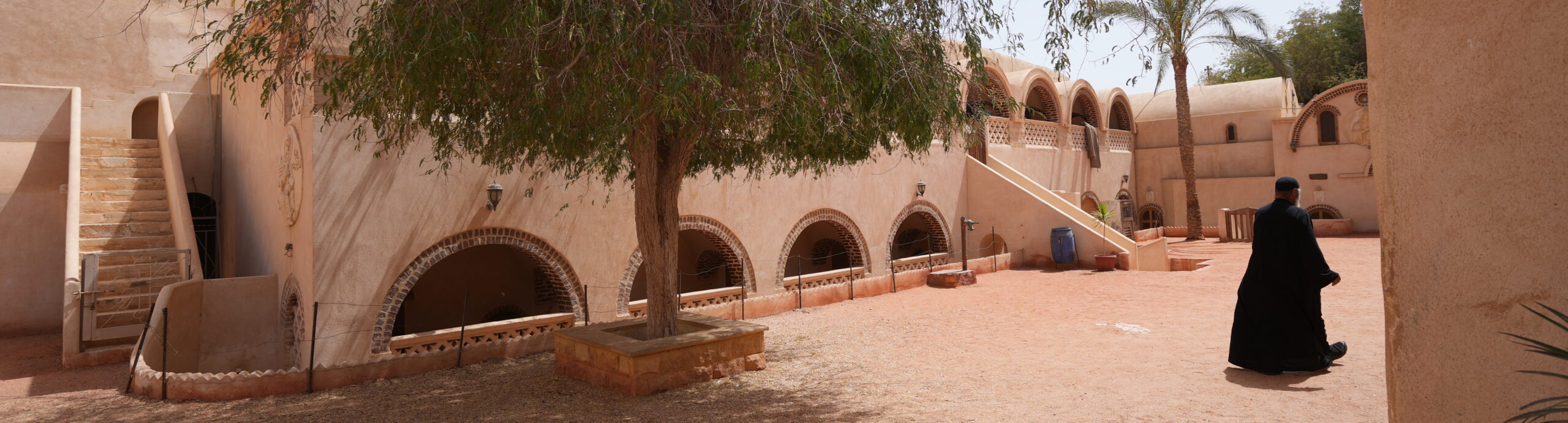
The physical structure translates a worldview: church, cells, workspaces, storerooms and hospitality form a complex organism.
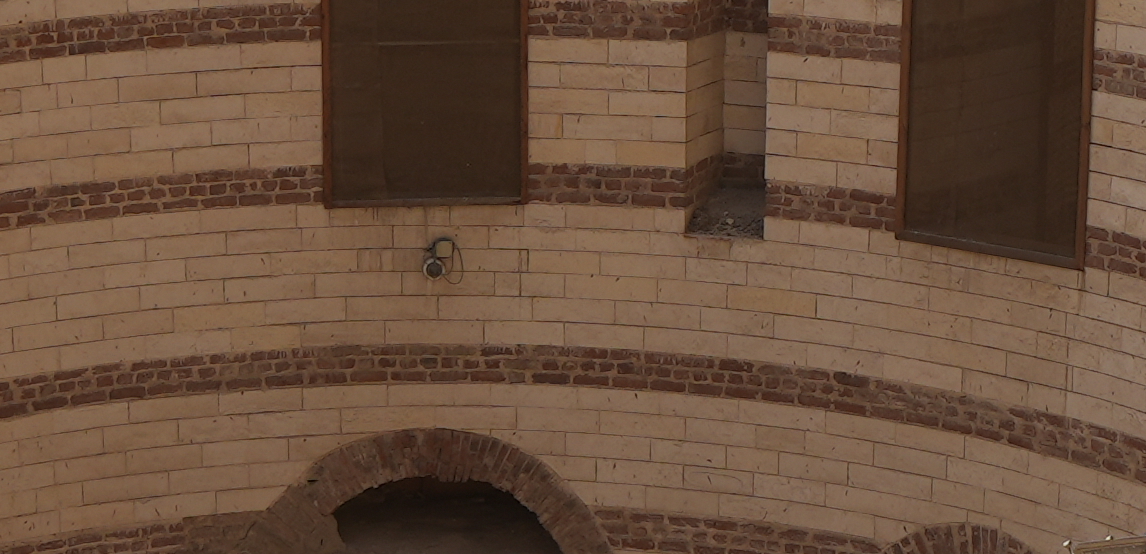
Some early communities had enclosures, but massive walls, towers and refuges belong primarily to later developments, linked to the need to protect people and possessions.
The surviving fortifications tell of an evolution and should not be indiscriminately projected onto the fourth century.

Water, Agriculture and Self-Sufficiency: Inhabiting the Desert
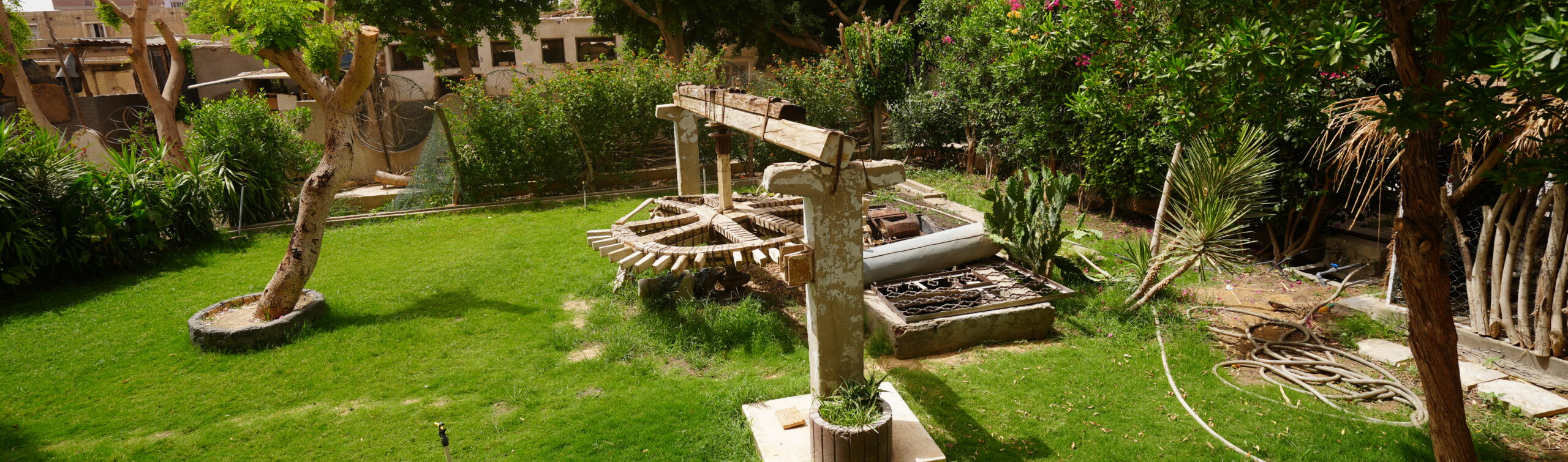
Desert spirituality required the organisation of survival: water, cultivation, storerooms and food preservation.
The monastery became an agricultural community and economic organism. Wells and resource management show how sustainability and resilience were conditions of existence, rather than theoretical concepts.
Visitors can understand the relationship between landscape, spirituality and the need to make a hostile territory fertile.

Defence and Protection: The Monastery as a Vulnerable Space
The desert offered isolation, but not always safety. Instability and raids prompted communities to build walls, towers and refuges.
Defences protected people, food and manuscripts. The monastery appears simultaneously contemplative, productive, hospitable and, when necessary, fortified.
Knowledge, Manuscripts and the Preservation of Culture
In late antique communities, biblical, liturgical, theological and documentary texts circulated and were copied in Greek, Coptic and other languages. This culture created collections and libraries.
The monk could be a reader, copyist, translator and custodian.
Through Basil, Cassian and the Benedictine world, the model changed; in medieval Europe, communities took on functions of preservation and education.
There is no uniform line from Egypt to Europe, but many forms of mediation. The desert remains one of the places where a community capable of combining spirituality, work and knowledge emerges.
Hospitality: From the Ancient Pilgrim to the Contemporary Visitor
Pilgrims, the poor, the sick and scholars have passed through monasteries for centuries. Guesthouses and kitchens make hospitality structural, rather than a tourist addition.
Today, some visitors seek knowledge, others silence or prayer.
An encounter arranged by the community can enrich the experience without turning monks into consultants for groups.
Visitors enter without expecting the place to transform itself for them.
Wadi El Natrun: Not Four Monasteries, but a Spiritual Landscape
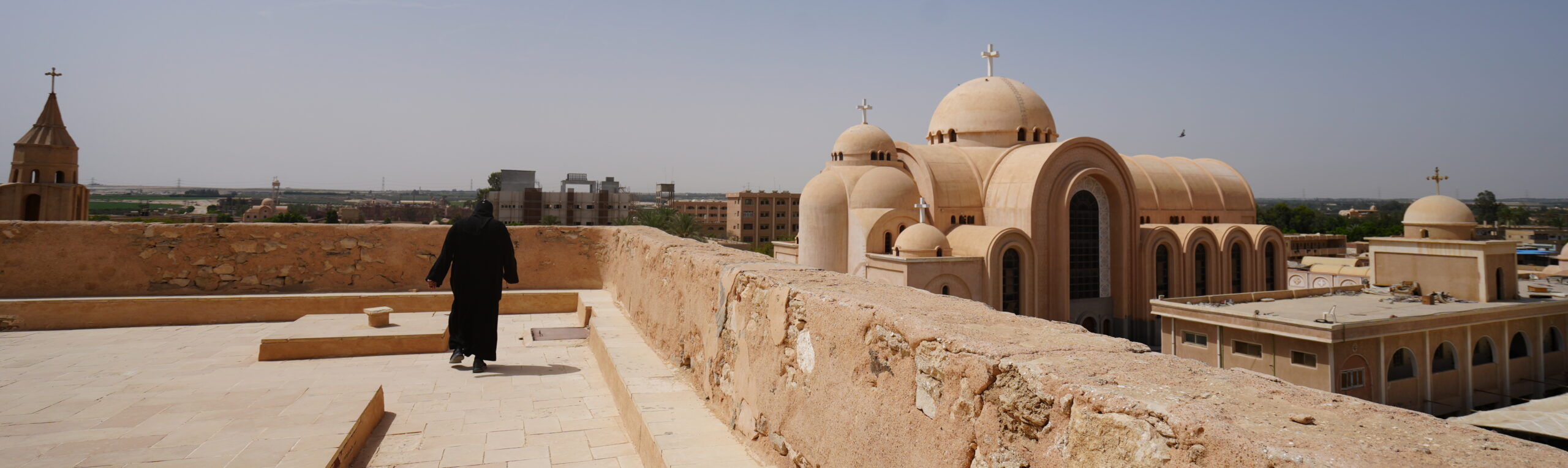
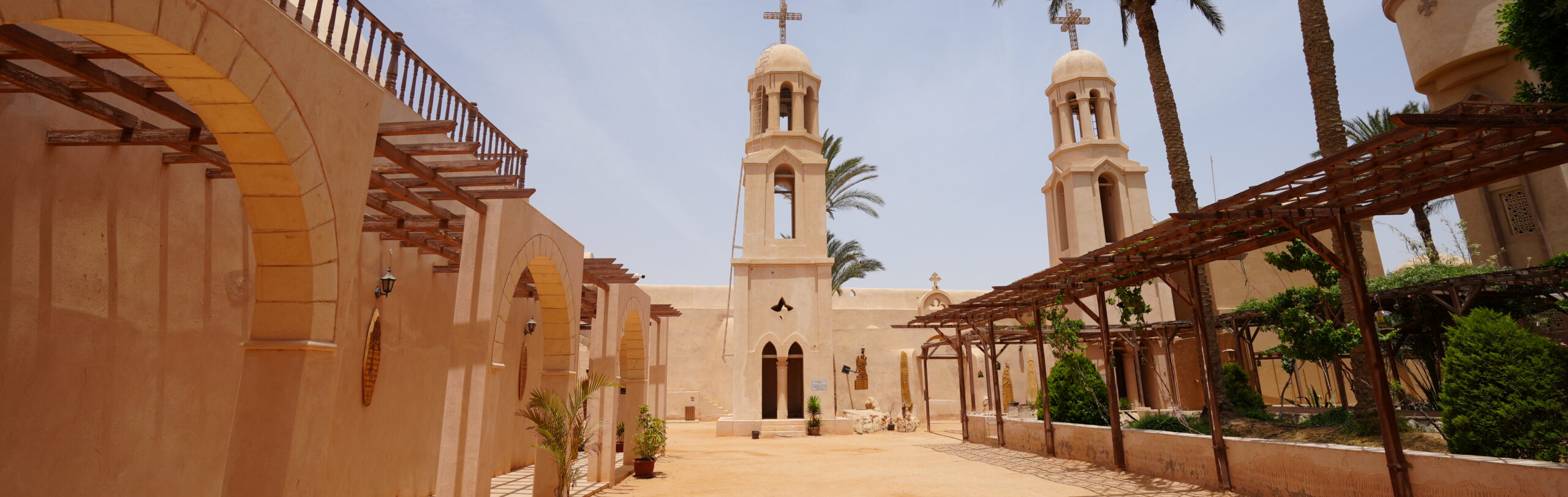
Wadi El Natrun is home to some of the most important active monasteries: Saint Macarius, Anba Bishoy, the Monastery of the Virgin Mary al-Surian and al-Baramus.
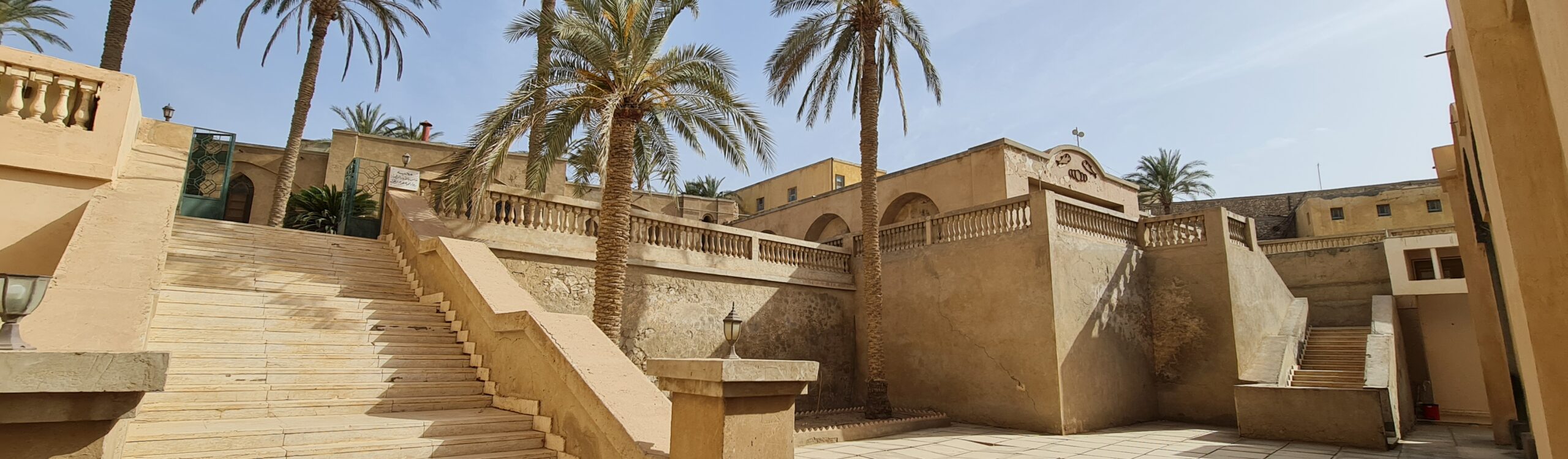
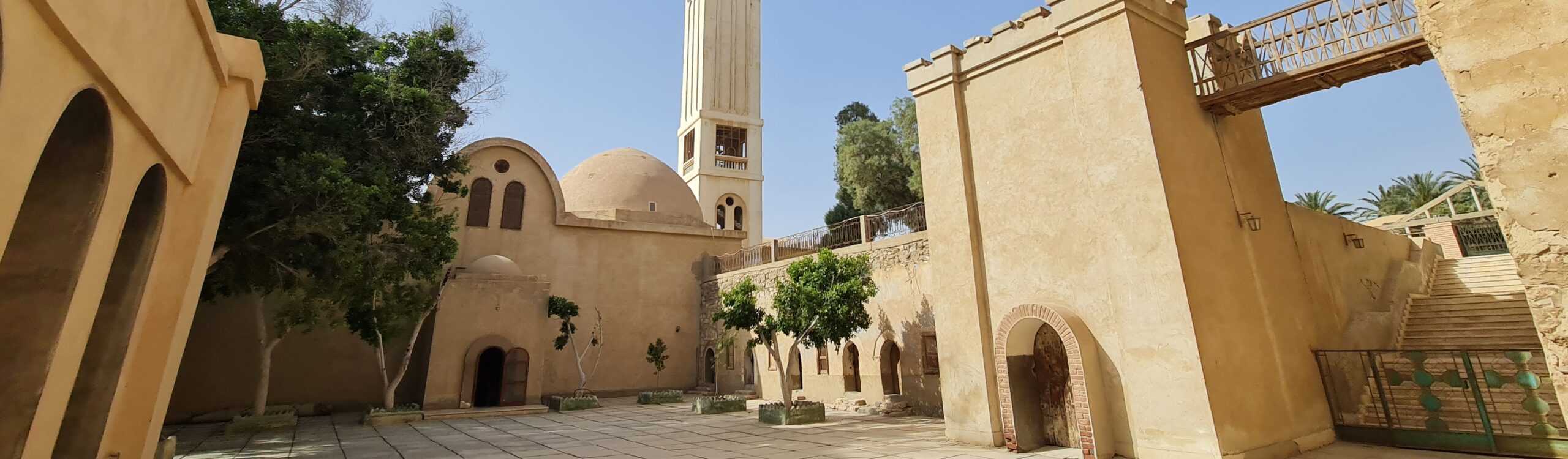
Desert, light, walls, the transition to interiors, liturgy, icons, courtyards and defences form part of the same relationship between community and environment.
Quality also depends on resisting the temptation to fill every minute.
[/vc_column_text]
Three Levels of Depth for the Same Heritage
The cultural level includes Egyptian Christianity, archaeology, language, iconography, architecture, music, crafts and communities. It integrates easily into itineraries without requiring religious affiliation.
The spiritual level explores the Holy Family, saints, liturgy and monasticism. It can be devotional or a cultural reading for those from other traditions.
The third concerns inner exploration and reflection. Without reducing monastic life to wellness or coaching, a space can be created for listening, walking, reading, writing and periods without devices.
The monastery is not imitated: a temporary relationship is established with some of its values.

Meditation, Listening and Inner Exploration
Monastic life proposes a different form of attention from the usual one.
Coptic contemplation, prayer and vigilance are spiritual discipline, not relaxation. A small space can become inwardly vast, reducing distractions and allowing silence to emerge.
Visitors need not reproduce practices whose meaning they do not share. They can restore value to presence and pause without producing, photographing or communicating.
The Internet, AI and the Contemporary Monk
The internet and artificial intelligence multiply access: they translate texts, map routes, make documents available and organise itineraries.
Religious communities also live in this world. There is no need to contrast a spiritual past with a negative modernity; what matters is the quality of attention.
Information, knowledge and wisdom do not coincide. Gathering is quick; understanding requires time, selection, memory and experience.
Technology can prepare the journey and accompany it to the monastery’s threshold. Then switching it off can become an experience, because attention also needs spaces where it is not constantly stimulated.

Liturgical Music: Listening to a Tradition Before Explaining It
Coptic music enriches the journey without turning the liturgy into a performance.
Voice, repetition and melodic formulas belong to prayer and allow a tradition to be perceived before it is understood.
The experience can involve contextualised listening, explanation or an encounter with someone who knows the music; when appropriate, respectful participation in a liturgical moment.
It arises from the relationship between sound, space and meaning.

Craftsmanship and Material Culture: Symbols Enter Objects
Wood, textiles, metal, icons and crosses continue the narrative outside the church.
A generic commercial stop focuses on purchasing. An artisan who explains materials, techniques, symbols and family continuity also turns a possible purchase into understanding.
The local producer can be a protagonist, rather than the last link in the visit.

Gastronomy, Fasting and Everyday Life
Coptic fasting has contributed to a repertoire in which many plant-based preparations are significant.
A lunch can connect religion, seasonality and agriculture, explaining ingredients, dietary changes and the influence of prescriptions on domestic cooking.
Heritage enters through taste, distributing value towards local operators and producers.
Photography: Learning to See, but Also Not to Photograph
Icons, candles, textiles, architecture, faces and landscapes offer an intense visual narrative, to be accompanied by a culture of limits.
Rules and consent must be respected, distinguishing personal images from professional or commercial filming and photography requiring authorisation.
During the liturgy, the right to an image does not take precedence over those who inhabit the space.
A workshop can also teach when to lower the camera, in keeping with the route.
Interreligious Dialogue and Cultural Diplomacy
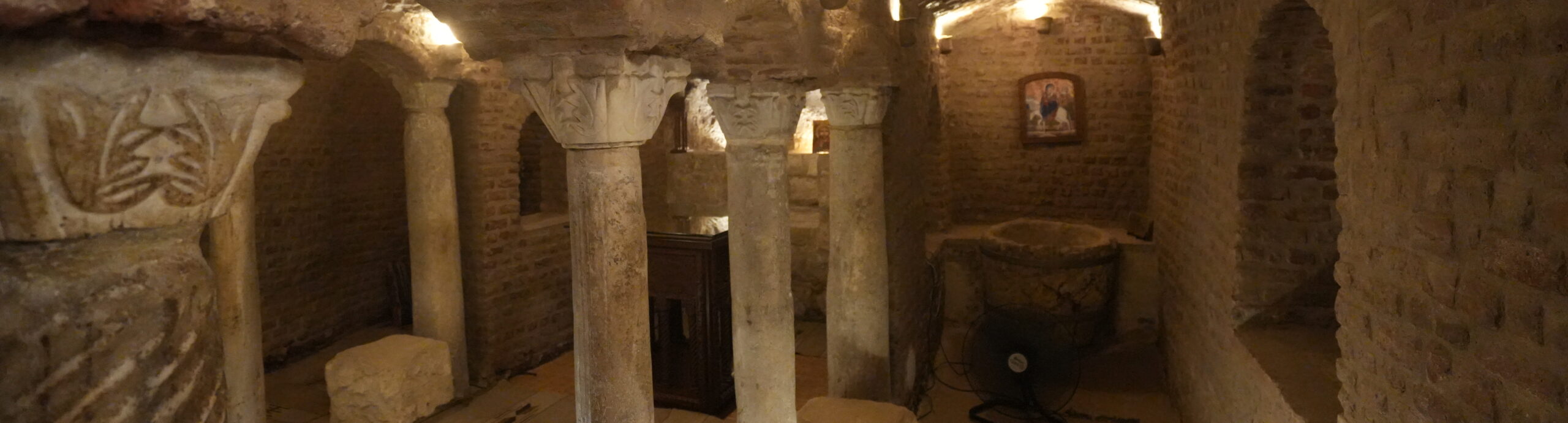
The route belongs to the Christian tradition of a Muslim-majority country, where Christian, Islamic and Jewish heritage share the national history.
Its development can foster dialogue and cultural diplomacy through concrete knowledge, rather than abstract celebration.
Understanding a church, listening to a community and recognising Egypt’s complexity are already forms of dialogue.
The Interactive Map as a Working Tool for the Travel Trade
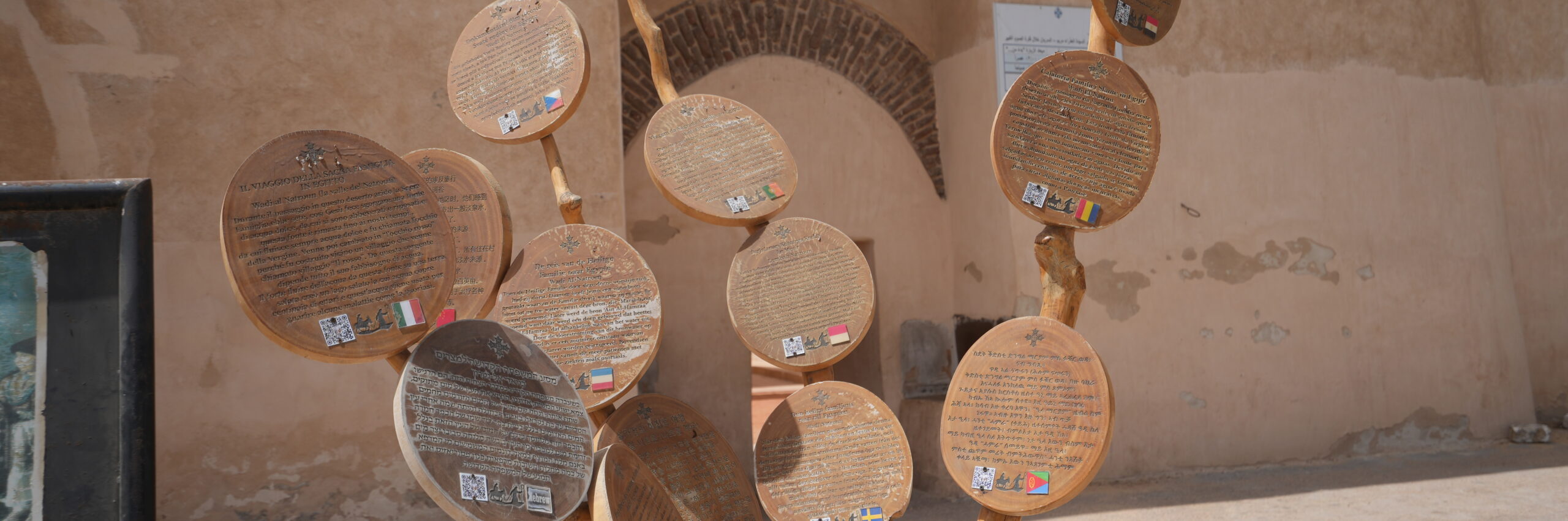
The map linked to the article can become an experience design platform, beyond locating sites.
Each stop can bring together accessibility, timings, narratives, services, interlocutors, crafts, photography, gastronomy, landscape, rules and connections.
It becomes a matrix for building clusters: Coptic Cairo in half a day or a full day, Wadi El Natrun as an extension, Middle and Upper Egypt within broader programmes.
Pilgrimages and artistic and photographic itineraries select different places.
For the public, it is a narrative map; for the professional, a product development tool.

From the White Paper to Building the Actual Experience
The operational white paper should combine history with useful information: duration, transfers, seasonality, restrictions, group capacity, services, encounters, alternatives and narrative keys.
For each stop, the question must be what visitors can understand, do or feel here differently from elsewhere.
Samannud and Sakha connect the Holy Family and the Delta; Cairo places Christianity within urban layers; Wadi El Natrun interprets monasticism through the desert. Middle Egypt encourages slower relationships.
The difference between experiences makes the route interesting.
The Responsibility Not to Turn Everything into a Product
Not every cultural value must become commercial.
Liturgy and monasteries do not exist to adapt to groups; communities and artisans are not backdrops or extras. Spirituality cannot be emptied out to sell it.
Responsible design establishes boundaries. Sometimes the best experience is respectfully observing a reality independent of the visitor.
The tourist becomes a guest: a condition for generating economic value without consuming heritage.

Inner Egypt as a New Space for Travel
The Holy Family Route need not compete with Giza, Luxor, Abu Simbel, the Nile or the Red Sea. It tells what those places cannot tell.
It makes Christian history, late antiquity and the Middle Ages visible, introducing monasticism, the Coptic language, icons and communities of work, hospitality and knowledge.
Above all, it introduces a rhythm different from tourism’s accumulation.
Sometimes value comes from taking away: one fewer visit leaves room for a conversation, a pause becomes landscape, silence remains longer than the fifth church. A photograph not taken teaches respect.
The product is not merely monastery, icon or cave, but the attention with which they are connected.
DMCs, guides, suppliers, producers and communities are authors of the relationship, rather than executors of an external programme.
The route becomes a new geography when it moves from points to a network of people, symbols, landscapes and knowledge.
It can generate culture without losing spirituality and economic value without consuming uniqueness. Speak to pilgrims, photographers, non-religious visitors and people seeking silence.
The familiar Egypt gains depth: a layer that completes the narrative.
An Egypt that, perhaps, does not ask us to see more.

Sources
Ministry of Tourism and Antiquities – Egypt official materials on the Holy Family Route, itinerary stops and Coptic sites.
Holy Family in Egypt / tradition of the Coptic Orthodox Church ecclesiastical and devotional sources on the Holy Family’s route.
Gospel according to Matthew 2:13–15 the Holy Family’s flight into Egypt.
Hosea 11:1 biblical reference echoed by Matthew: “Out of Egypt I called my son.”
Gospel according to John 15:5; 12:24 symbolic references to the vine and the grain of wheat.
Athanasius of Alexandria, Life of Anthony fundamental source on Saint Anthony and the origins of Egyptian monasticism.
Sayings of the Desert Fathers – Apophthegmata Patrum spirituality, silence, asceticism and the life of the early monks.
Evagrius Ponticus, Praktikos discipline of thoughts, contemplation and desert spirituality.
John Cassian, Conferences / Collationes transmission of Egyptian monastic spirituality to the West.
Tradition and Rule of Saint Pachomius emergence and organisation of cenobitic monasticism.
Peter Brown, The Body and Society late antique Christianity, asceticism and transformations in religious culture.
Derwas J. Chitty, The Desert a City history and development of Egyptian and Palestinian monasticism.
Thomas Merton, The Wisdom of the Desert contemporary reading of the spirituality of the Desert Fathers.
Otto F. A. Meinardus, Christian Egypt: Ancient and Modern history, monasteries, pilgrimages and Egypt’s Christian heritage.
Coptic Orthodox Church / monasteries of Wadi El Natrun history and heritage of the monasteries of Saint Macarius, Anba Bishoy, al-Surian and al-Baramus.
Coptic Museum, Cairo reference for Coptic art, manuscripts, iconography and material culture.
Isaac Fanous and studies on contemporary Coptic iconography revival of Coptic art in the twentieth century.
Studies on the Fayum Portraits artistic context between Roman Egypt, late antiquity and the development of Christian images.
Historical studies on the monasticism of Basil, Cassian and Benedict dissemination and transformation of the monastic model from the Eastern Mediterranean to Europe.