


Holy Family Route: From Coptic Egypt to a New Geography of Experience
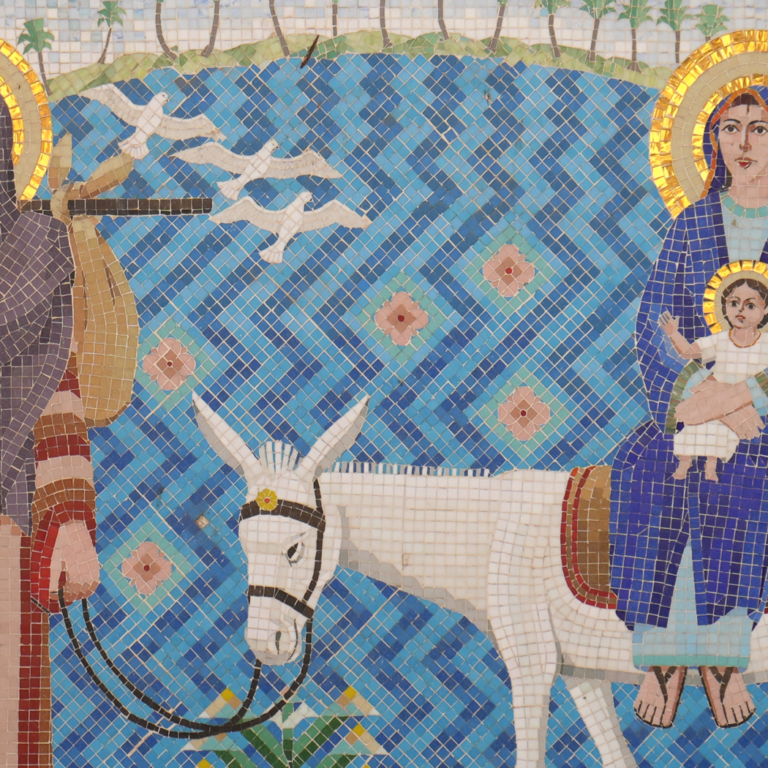
The Holy Family Route in Egypt connects Coptic heritage with contemporary cultural and spiritual travel, opening opportunities for local communities,…


The Holy Family Route in Egypt connects Coptic heritage with contemporary cultural and spiritual travel, opening opportunities for local communities,…

Voice maps and conversations with year-round residents reveal the living cultures, everyday practices and perspectives that conventional destination itineraries often…

Travel trade shows are shifting beyond their traditional European centres, as Asia, the Gulf and Africa play increasingly prominent roles…

AI-readable destinations organise reliable information, structured data and digital services so travel assistants can understand places and support informed travel…
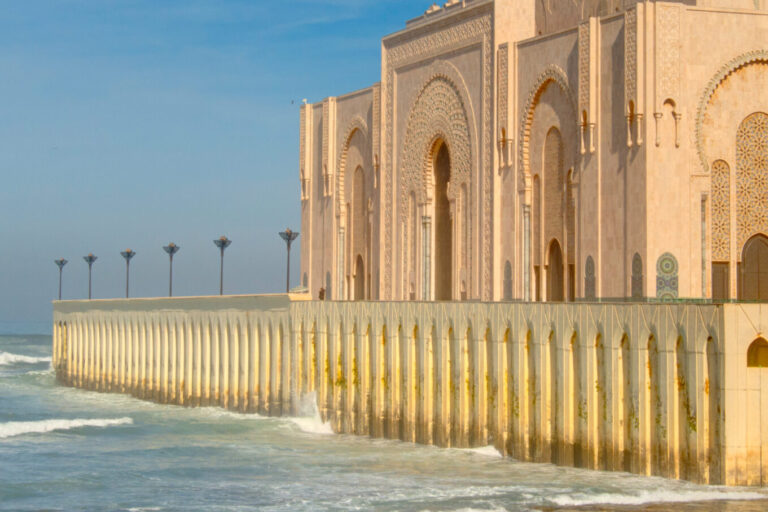
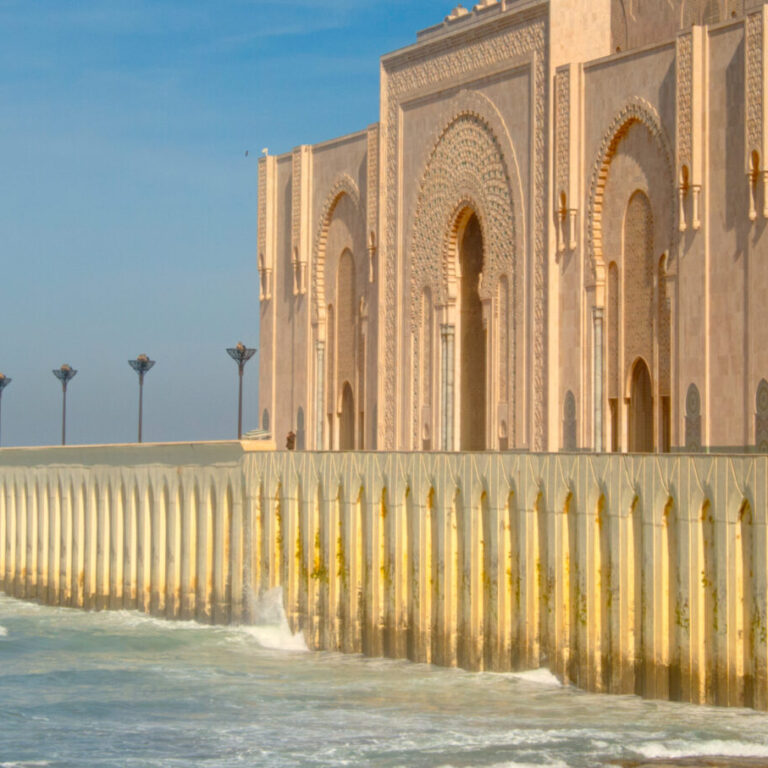
Morocco’s cultural tourism extends beyond medinas and dunes, connecting living craftsmanship, contemporary design, Atlantic and Mediterranean landscapes and local heritage.

The Palau Pledge invites visitors to respect the environment and communities they encounter, offering a model for more conscious and…

Living cultural heritage depends on the people who preserve and pass on local skills, rituals and knowledge that give destinations…
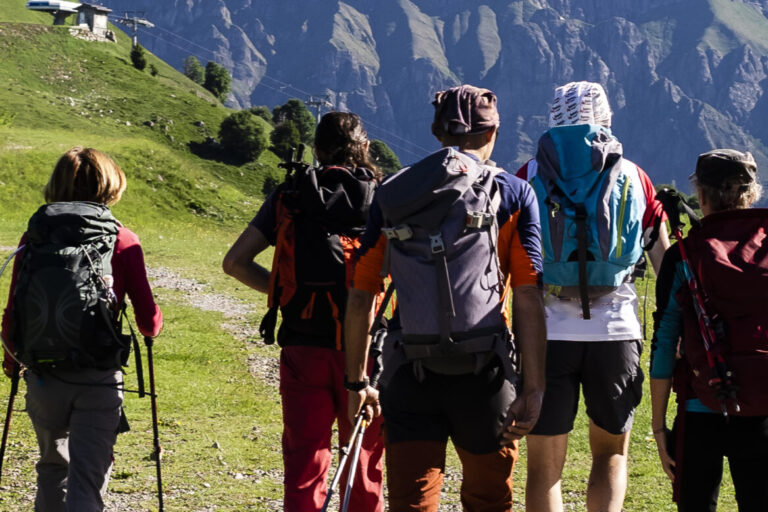
Day Design explores how hotels can programme daily experiences to strengthen guest satisfaction, destination connections and revenue beyond the room.

Beyond Tokyo, Kyoto and Osaka, the regions of Shikoku and Tohoku reveal Japan’s layered traditions, literary landscapes, hot springs and…

Tourism sandboxes allow cities and destinations to test new rules, visitor access and management models on a limited scale before…

Tourism increasingly shapes international reputation by connecting a country’s identity, cultural influence, visitor experience and global perception.

An overview of major international B2B tourism events from September to December 2026, with opportunities for Italian outbound travel professionals.

Explore the Holy Family Route around Assiut, where monasteries, Nile landscapes and Christian traditions shape a distinctive spiritual itinerary.

Discover five remote corners of the world where extraordinary landscapes and distinctive cultures challenge familiar ideas of travel.

From Silk Road heritage to modern transport and changing entry policies, China offers new connections between historic landscapes and contemporary…

Saudi Arabia’s desert landscapes connect emerging tourism projects with villages, cultural memory and less familiar experiences beyond major developments.

Social spas and urban bathhouses are reviving collective wellness traditions, from Japanese bathing culture to new European gathering places.

Asian hospitality reflects cultural practices, gestures and traditions that invite travellers and tourism professionals to rethink respectful experiences.

Sulawesi and Indonesia’s lesser-known islands offer journeys shaped by remote landscapes, cultural encounters and the diversity of the archipelago.

How airlines select new routes: demand forecasts, airport strategies and commercial decisions that determine tomorrow’s travel connections.

Northeastern Brazil reveals cultural destinations, natural landscapes and emerging tourism connections beyond its best-known beaches.

The Royal Highland Festival in Laya, Bhutan, celebrates Himalayan highland culture, community traditions and trekking experiences.

Tourism co-marketing brings together destinations, travel brands and industry partners to share data, investment and measurable results.

Travel compliance is becoming a visible part of quality in tourism, from accessibility and traveller rights to sustainability standards and…

An Amazon travel experience moves from Manaus and the Teatro Amazonas into the rainforest’s rivers, biodiversity, cultural landscapes and communities.

Gen Z solo travel is reshaping ideas of autonomy, identity and connection, creating new questions for destinations and tourism professionals.

Holistic wellness tourism connects nature, personal development and wellbeing beyond the traditional spa, opening opportunities for emerging destinations.

Destination transformation links cultural preservation, sustainability and experience design to create lasting value for visitors and local communities.

Multisensory travel design uses sound, scent, taste, touch and sight to create richer experiences and shape how journeys are remembered.

BIT Milano 2026 highlights the role of international trade fairs in shaping tourism partnerships, innovation and the Italian outbound market.

A guide to international travel trade events in 2026, connecting Italian outbound operators with global tourism marketplaces and business networks.

Set-jetting connects film and television locations with young travellers’ destination choices, creating cultural opportunities and visitor-management challenges.

Travel risk management helps tour operators prepare travellers for uncertainty through planning, clear communication and responsible crisis response.

Travel across Kenya from the Maasai Mara to the Swahili coast, connecting wildlife, conservation areas, local communities and cultural landscapes.

Sandokan’s fictional world provides a starting point for exploring Malaysian Borneo’s landscapes, heritage and contemporary travel experiences.

360-degree photography and video offer new ways to experience spatial storytelling, destination environments and immersive travel communication.

Tourism living labs bring operators and local communities together to test destination experiences, governance ideas and sustainable tourism models.

Tourism trade fairs create opportunities for professional relationships, collaboration and business development beyond the event itself.

Experiential tourism can connect travellers with artisans, producers and working communities through responsible cultural itineraries.

A fair tourism supply chain depends on responsible purchasing, transparent contracts and respect for local suppliers and travellers.

Explore India beyond the Golden Triangle through contrasting regions, cultures and journeys shaped by encounters and local traditions.

Educational travel programmes connect student mobility, cultural exchange and skills development with opportunities for host communities.

Hospitality and responsible tourism begin with language, gestures, cultural sensitivity and respect for the people who welcome travellers.

Micro-stays explore how a single night can become a meaningful journey through focused discovery, local encounters and memorable experiences.

Small cultural capitals can connect regions and communities through architecture, intercultural dialogue and emerging tourism experiences.

Regenerative tourism living labs use pilot projects and local collaboration to explore how travel can support communities and ecosystem health.

Educational travel connects school programmes and lifelong learning with cultural exchange, practical skills and territorial impact.

Argentina invites year-round journeys across Buenos Aires, Patagonia, the Andes and diverse regional cultures and landscapes.

Regenerative tourism destinations offer journeys designed to connect visitor experiences with local communities and natural environments.

Living craftsmanship and traditional skills reveal how artisans transmit cultural knowledge through objects, techniques and meaningful travel encounters.

Travel captions help turn photographs into editorial narratives, adding context, emotion and cultural meaning to destination imagery.

Open collaboration links tour operators, DMCs, universities and startups through shared knowledge, data and tourism innovation.

A retrospective overview of global tourism trends in 2025, with implications for destination management companies and tour operators.

Accessible and supportive travel experiences raise questions about wellbeing, rehabilitation, care and the limits of therapeutic claims.

A slow-train journey through India explores heritage railways, landscapes and the experience of travelling at a different rhythm.

Unsent postcards explore how travel memories, photographs and personal narratives can inspire ethical destination storytelling.

Immersive travel through silence explores quiet landscapes, sensory attention, dark skies and the cultural meaning of slowing down.

A journey through Namibia’s desert landscapes and Himba cultural traditions, reflecting on hospitality, resilience and respectful encounters.

Scalable personalisation in travel combines modular itineraries, segment needs and shared experiences without necessarily increasing operating costs.

A retrospective guide to international tourism workshops and trade events scheduled between September 2025 and March 2026.

Tour guides can become cultural educators, connecting visitor experiences with local rights, communities and respectful interpretation.

Overtourism challenges institutions to balance urban life, visitor flows and the preservation of cultural identity in heavily visited cities.

Human relationships with local suppliers remain central to ethical travel planning, service quality and long-term professional trust.

MICE tourism is evolving as conferences, incentive travel and exhibitions explore hybrid formats and secondary destinations.

Local destination management companies help travellers discover Moroccan cultural heritage and build relationships with communities.

Destination management companies are adapting to demand for small-group journeys, tailored itineraries and local experiences.

The Maldives became a globally recognised luxury tourism destination through resort experiences, destination branding and hospitality strategy.






Utilizziamo i cookie per garantire la migliore esperienza possibile.

Utilizziamo i cookie per garantire la migliore esperienza possibile.
I cookie necessari contribuiscono a rendere un sito web utilizzabile, consentendo funzioni di base come la navigazione tra le pagine e l'accesso ad aree protette del sito. Il sito web non può funzionare correttamente senza questi cookie.
I cookie di preferenza consentono a un sito web di ricordare informazioni che modificano il modo in cui il sito web si comporta o appare, come la lingua preferita o la regione in cui ti trovi.
I cookie statistici aiutano i proprietari dei siti web a capire come i visitatori interagiscono con i siti, raccogliendo e segnalando informazioni in forma anonima.
I cookie di marketing vengono utilizzati per tracciare i visitatori su diversi siti web. L'obiettivo è mostrare annunci pertinenti e interessanti per il singolo utente, e quindi più preziosi per gli editori e gli inserzionisti terzi.
I cookie non classificati sono cookie che stiamo classificando, in collaborazione con i fornitori dei singoli cookie.