Programming Daily Experiences That Increase ADR and Satisfaction
A hotel room is normally sold by the night, but the person occupying it experiences the stay through entire days. Between the moment the curtains are opened in the morning and the moment the guest returns to the room in the evening, there are hours of time, curiosity, appetite, movement, the desire to discover the place or simply to slow down. It is precisely within these hours that part of contemporary hospitality is discovering a new space for design and, at the same time, a new economic dimension.
Hotel revenue management has spent decades refining the ability to assign a price to the room according to demand, seasonality, occupancy and market behaviour. The same attention can now be extended to the time the guest spends in the property and in the surrounding area. Day Design begins from this perspective: designing the day as a sequence of coherent possibilities, allowing gastronomy, wellness, culture, nature and relationships to enter the architecture of the stay.
The room remains central, but becomes the starting point of a broader experience.
An Amadeus study conducted among 6,000 travellers in six countries found that 63% of guests would be willing to pay extra for specific features or services during their stay, including local attractions incorporated into the experience. Personalisation also affects the perception of the stay: a Medallia study of 1,749 guests found a significant relationship between perceived personalisation, overall satisfaction and willingness to spend more.
Day Design sits precisely within this space: giving shape to the guest’s time with enough structure to make it understandable and bookable, but with enough freedom to allow it to still feel like their own.

From a List of Activities to a Daily Programme
Many hotels already have the necessary elements. There may be a spa, a restaurant, a swimming pool, bicycles, yoga classes, excursions, tastings, local guides, producers, museums, artisans and landscapes that can be reached in a short time. Often, however, these possibilities remain separate. They are listed on a website page, collected in a brochure or described by the concierge when the guest asks what they might do.
A daily programme introduces an additional dimension: rhythm.
At seven-thirty there might be a walk before breakfast. In the middle of the morning, a visit to an artisan’s workshop. In the afternoon, a tasting or treatment. Sunset can become the moment for an aperitif in a special location, while the evening can include dinner with the chef, a small concert, a screening or stargazing.
The sequence does not need to be purchased as a complete package. Its value lies first and foremost in making visible the life that is possible within the stay.
The difference between offering many activities and having a true Day Design lies precisely in programmability. An occasional experience organised by the concierge can be excellent, but remains difficult to communicate, book and measure. When it has a time, duration, capacity, frequency, price or a clear access method, it becomes part of the hotel’s operational programme.
From that moment, it can be suggested before arrival, included in a stay proposal, linked to a specific rate, rescheduled in case of bad weather and evaluated through data.
The hotel therefore begins to programme time with the same care with which it programmes room availability.
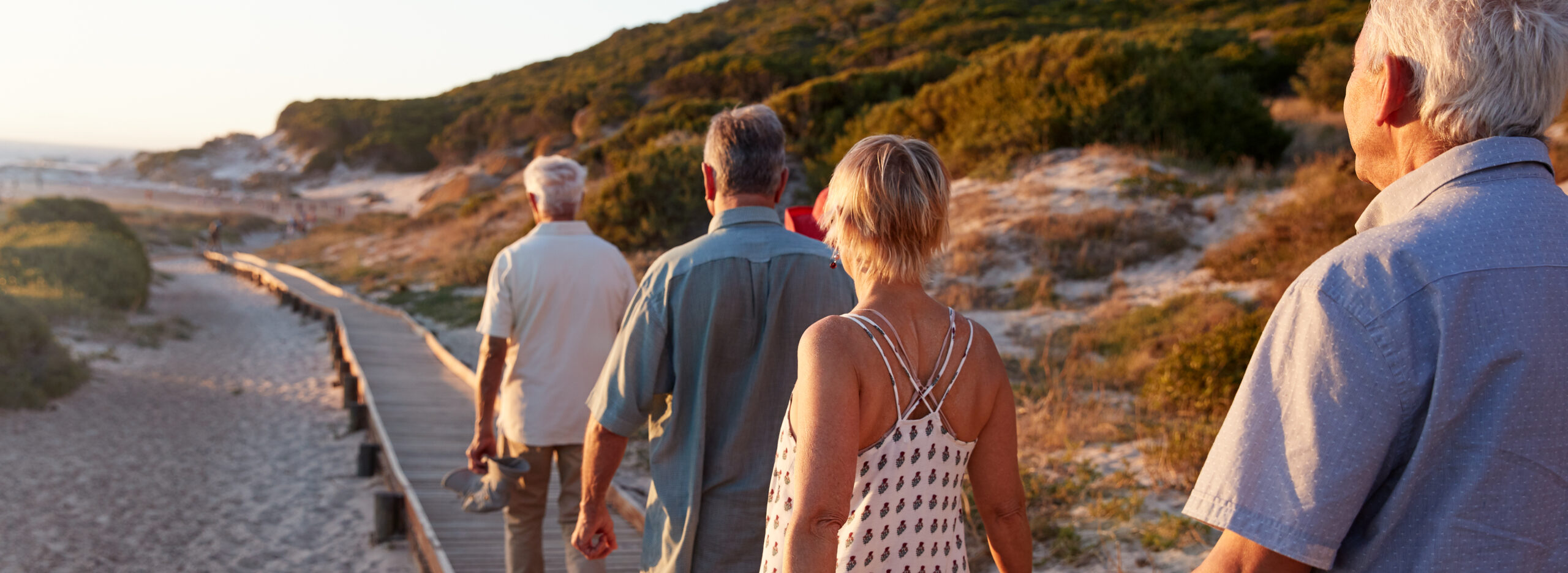
From Room Night to Guest Day
This shift also suggests a different unit of observation.
The room night perfectly measures the economic core of the hotel, but tells only part of what happens during a stay. The guest day instead makes it possible to observe how much value is created throughout the entire day.
A couple paying €300 for a room may add a wellness treatment, a tasting, dinner and an excursion. Another couple may choose a higher rate in which some of these experiences are already included. In the second case, the experiential programme also helps differentiate the hotel’s offer and support a higher ADR.
This is where the relationship with revenue becomes particularly interesting.
A rate increase without a corresponding increase in perceived value inevitably meets a threshold of resistance. When, instead, the stay includes moments the guest genuinely wants to experience, the economic reference point changes. A €300 room can easily be compared with other €300 rooms; a stay that includes private access, a special dinner, a wellness ritual or an encounter that is difficult to replicate elsewhere becomes less immediately comparable.
Day Design can therefore support ADR through bundles, benefits included in higher room categories, experiences associated with specific rates or proposals purchased separately.
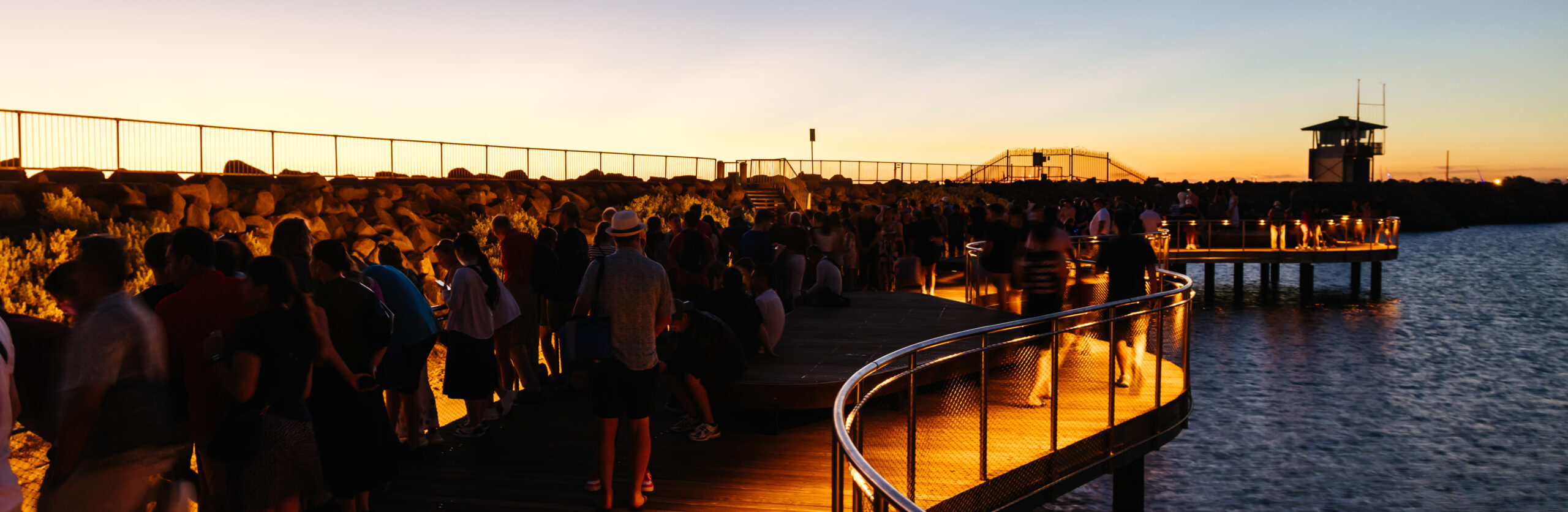
Revenue Experiences and Value Experiences
Not everything, however, needs to generate direct revenue.
A morning walk with a staff guide, a meeting with the gardener, a short tasting, a musical moment or a sunset ritual can be included in the stay. Their value may emerge through satisfaction, memory, differentiation, reviews and a greater propensity to return.
It therefore becomes useful to distinguish between revenue experiences, designed also to generate incremental spend, and value experiences, designed primarily to increase the perceived value of the stay.
The two dimensions can naturally overlap. A small complimentary activity may later encourage the guest to book a dinner, treatment or more complex excursion. Likewise, an experience included in the rate can help justify a higher price segment.
Experience revenue does not always coincide with the sale of an extra: it can be incorporated into ADR, average length of stay, loyalty or the hotel’s ability to distinguish itself from apparently similar properties.

Proprietary Experiences and the Territory
A convincing programme does not need to be built exclusively within the hotel.
Some experiences can originate from the property itself: a chef’s table, spa ritual, cocktail class, cooking lesson, garden visit or cellar tasting.
Others may come from the territory: artisans, farms, boats, museums, trails, markets, local communities, ateliers or archaeological sites.
The hotel’s role then becomes one of curation: selecting, connecting, making accessible and narrating experiences that the guest might otherwise never encounter.
This role is particularly relevant because it allows the property to expand the variety of the programme enormously without having to produce every activity internally. The value comes from the quality of the selection and the coherence between what the hotel promises and what it enables the guest to experience.
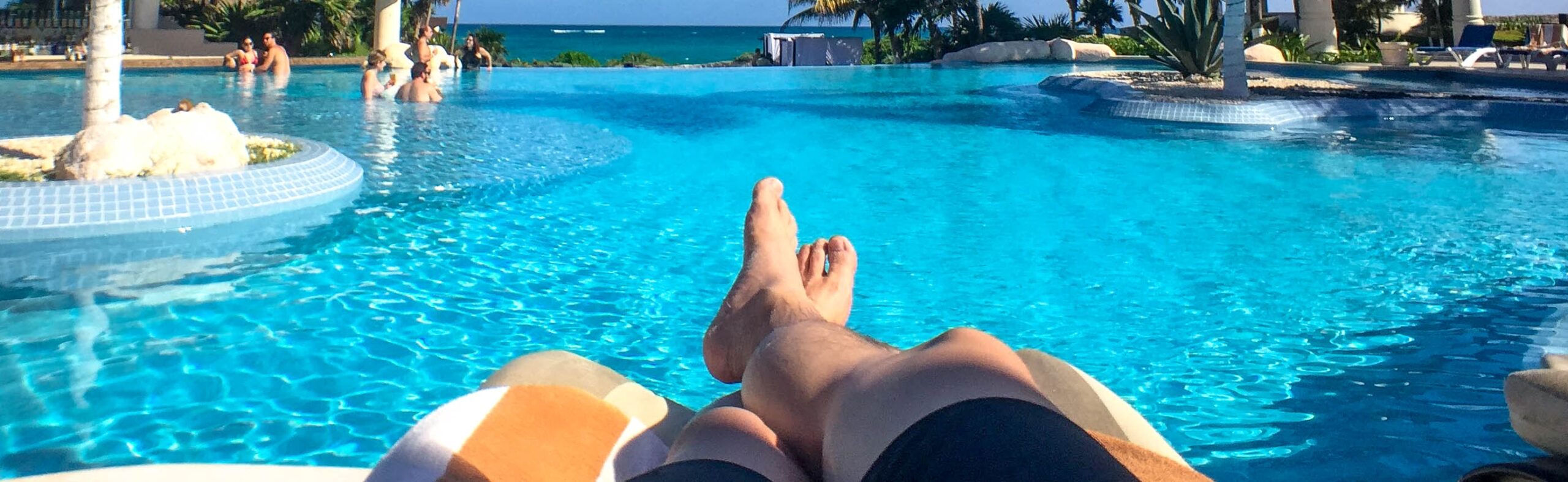
The More Isolated the Place, the More Central the Day Becomes
The relationship between Day Design and revenue becomes particularly powerful in hotels far from major urban centres.
In an urban property, the guest walks out the door and immediately encounters restaurants, museums, shops, performances, neighbourhoods and services organised by hundreds of other operators. The hotel can contribute to building the day, but shares this role with an entire city.
On a remote island, in a Patagonian valley, in a desert or inside a nature reserve, the relationship changes. The guest has fewer spontaneous alternatives and depends more heavily on the property’s ability to transform the surrounding territory into accessible experiences.
Isolation, which may appear to be a logistical limitation, can therefore become an extraordinary design resource.
Soneva Fushi, in the Baa Atoll in the Maldives, offers a very clear example. The island offers diving, guided snorkelling, water sports, astronomy, cooking classes, artistic experiences, tastings, open-air cinema and activities for children. These are complemented by a programme of encounters with chefs, athletes, authors and experts. The day is built through opportunities spanning nature, gastronomy, wellness and culture.
Dining also follows an experiential and spatial logic: dinners among the trees, tables near the reef, tastings and different settings transform the meal into a distinctive moment of the stay. In this case, isolation stimulates variety rather than reducing it.

The Lodge as Director of the Territory
A different model emerges in Chilean Patagonia.
Explora Patagonia National Park, in the remote Chacabuco Valley, uses the lodge as a base from which to enter the landscape. The property offers more than thirty guided explorations, adaptable according to guests’ interests and physical preparation, including hiking, e-bike excursions, kayaking and other activities.
The room deliberately loses narrative centrality. It becomes the place to which one returns after experiencing the territory.
Accommodation, meals, explorations, park access and transfers are integrated into the stay. The economic value of the experiences therefore flows into the overall rate rather than appearing only through individual extras.
This model shows particularly clearly how Day Design can support positioning. The guest does not evaluate only the place in which they will sleep, but the entire sequence of days they will be able to experience.
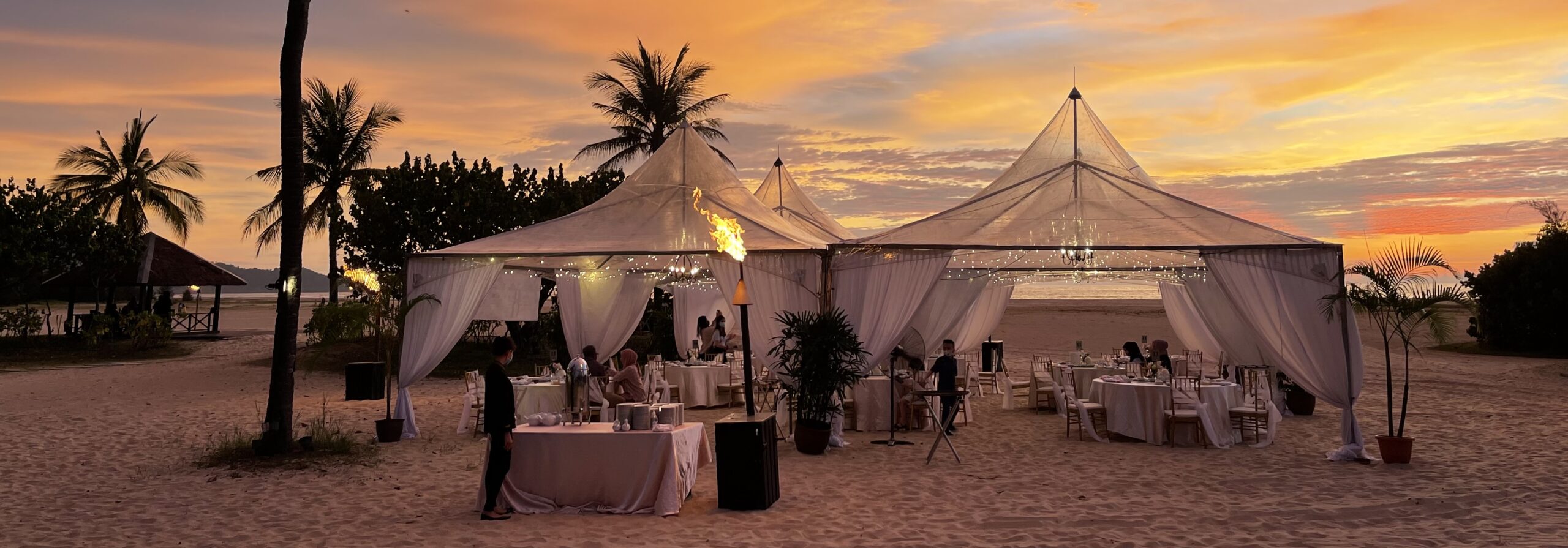
Making the Surroundings of the Hotel Accessible
Six Senses Zighy Bay, on Oman’s Musandam Peninsula, also works on the relationship between isolation and possibility. The landscape between mountains and sea generates activities that include sailing, excursions into the plateau, encounters with local culture and even arrival by paraglider at the resort.
At Amanwana, on Moyo Island in Indonesia, trekking to waterfalls and natural pools, wildlife observation, snorkelling, diving and boat expeditions transform the surrounding environment into a succession of experiences.
In properties of this kind, the hotel performs a decisive function: it makes a territory understandable and accessible that the traveller would find much more difficult to explore independently.
As isolation increases, however, so do responsibilities. If the sea is rough, a trail becomes inaccessible or a storm arrives, the property must be able to offer alternatives. The programme therefore needs its own resilience: indoor and outdoor experiences, solutions for different weather conditions, activities with different capacities and durations.
The quality of Day Design is also measured by the ability to change the programme without impoverishing the day.

The Journey Begins Before Check-In
An important part of the programme can be built before arrival.
The period between booking and check-in is one of the most interesting windows for understanding preferences and proposing experiences. The guest may receive suggestions for a special dinner, spa treatment, transfer, excursion or activity available only on specific days.
Pre-stay messaging therefore takes on a function that goes beyond upselling.
It allows the hotel to understand what genuinely interests the guest and to begin composing a coherent day before they reach the property.
A food enthusiast may receive different suggestions from a family with children; a couple interested in wellness will have a different programme from someone who wants to spend almost all their time outdoors.
Personalisation can continue during the stay. If the guest abandons an excursion because they prefer to slow down, the programme can change. If they discover a passion for local cuisine on site, the hotel can suggest a visit to a producer or a lesson with the chef.
Day Design works best when it remains open to the unexpected and to desire.

The Technology Behind the Programme
To make this logic scalable, the experience calendar needs to communicate with the property’s digital infrastructure.
PMS, CRM, booking engine, messaging tools, payment systems and platforms dedicated to experiences can all contribute to building the same journey.
Ideally, the guest should be able to discover, book, pay for and modify an experience in just a few steps, avoiding the need for every activity to require phone calls, separate spreadsheets or manual confirmations.
The change is equally significant for staff. Knowing who will attend the 5 p.m. tasting, how many places remain available for the next day’s excursion or which guests have already purchased a treatment makes it possible to programme resources and staff more effectively.
The programme therefore becomes simultaneously a guest experience and an operational tool.

Programming Without Saturating
The presence of many possibilities brings an obvious risk: confusing a rich day with a full day.
A holiday also retains value through unprogrammed time. A pool with no appointment, a terrace on which to read, a beach reached without a guide or an afternoon spent simply looking at the landscape can be among the most important moments of the stay.
An effective programme therefore resembles a festival schedule more than a rigid timetable. It offers alternatives, allows people to move in and out, and alternates intensity with pauses.
Personalisation helps precisely to avoid saturation. Families, couples, solo travellers, business guests and people interested in sport or wellness should not receive the same programme.
Different suggested days might emerge: an active day, a gastronomic day, a day dedicated to the territory, a slower and more contemplative day. These are pathways, not obligations.
Measuring What Happens Outside the Room
For Day Design to become a true management discipline, experience design and revenue management must also share indicators.
Alongside ADR and RevPAR, useful metrics include ancillary revenue per guest, spend per occupied room, participation rate in experiences, conversion of pre-stay proposals, satisfaction, review sentiment, average length of stay and propensity to return.
One could also imagine an indicator more closely aligned with the logic of Day Design: Revenue per Guest Day, meaning the total value generated during one day of the stay.
Even more interesting would be to place an experiential metric alongside the economic one. Which activities are mentioned in reviews? Which increase satisfaction? Which generate significant spend but little engagement? Which complimentary activities contribute most to reputation?
The revenue manager thus meets the Experience Builder.
One observes demand, price, capacity and margins; the other works on rhythm, desire, storytelling and the relationship with place. Day Design is born precisely from the overlap of these two perspectives.
Designing Time
Hospitality has long been designed primarily through space: room, suite, lobby, pool, spa, restaurant.
Day Design adds time as a design material.
Morning, midday, afternoon, sunset and evening become moments with their own characteristics. Some require energy, others sociability, others silence. The Experience Builder can work on these differences by combining place, moment, activity and guest profile.
In a remote resort, this ability becomes even more visible because the hotel accompanies a much larger portion of the guest’s day. In an urban property, the principle remains valid but takes a different form: rather than concentrating everything internally, the hotel can become a curator of the city, opening doors that the traveller would struggle to find alone.
A room can be extraordinarily designed and still represent only part of the memories the guest takes home. The flavour of a dinner under the stars, a walk begun before dawn, the silence of the sea, the voice of an artisan or a conversation that happened almost by chance may remain much longer.
When the hotel succeeds in shaping these moments without making them feel artificial, the value of hospitality expands beyond the walls of the room.
Revenue then stops measuring only how much the guest is willing to pay to sleep in a particular place. It begins to describe how much value they place on the time that place allows them to live.
Sources
Amadeus – Travel Dreams: willingness to pay more for personalised services and experiences.
Medallia – Hospitality Personalization: personalisation, satisfaction and greater propensity to spend.
Soneva Fushi: island resort with a daily programme of experiences.
Explora Patagonia: remote lodge with guided activities integrated into the stay.
Six Senses Zighy Bay: outdoor and territorial experiences as a central part of the offer.
Amanwana: nature, trekking and marine activities integrated into the resort experience.
Journal of Hospitality and Tourism Management, 2025: study on reactive personalisation during the stay.
By Daniele Di Stefano