Italy beyond Rome, Florence and Venice offers distinctive journeys through Trieste, Parma, Mantua, Matera and Cosenza, connecting cultural heritage with surrounding landscapes.
Trieste and the Karst, Parma and the Food Valley, Mantua and the Mincio, Matera and the Murgia, Cosenza and the Sila tell of an accessible Italy, rich in identity and capable of offering that sense of discovery increasingly difficult to find in congested destinations.
For millions of foreign visitors, Italy begins with the Colosseum, the dome of Santa Maria del Fiore and a Venetian gondola: images built over generations, among the country’s greatest tourism assets.
Rome, Florence and Venice will remain major gateways. Yet the journey can continue towards heritage on a different scale: a work of art viewed without long queues, a river within reach of a Renaissance square, a product followed back to its place of origin, a mountain close to an airport.
This Italy responds to the concentration of visitor flows because it has reasons for travel in its own right. A destination’s value does not come from having fewer tourists, but from offering distinctive culture, landscapes, gastronomy and relationships.
The challenge is to make these places easy to reach, understand and purchase as travel experiences.

Italy Beyond the First Postcard
Italy’s density makes this transition natural. Within a few hours, landscapes, architecture, cuisine and material culture change: from Central Europe to the Mediterranean, from plains to mountains, from the Renaissance to landscapes carved into rock.
For international visitors, this diversity is a reason to return. After a first journey to the icons, they seek literary landscapes, wine, intimate cities, cycling and regional cuisines.
The new geography of inbound tourism can connect airport gateways and nearby territories, preventing discovery from becoming a logistical complication.
Trieste, Parma, Mantua, Matera and Cosenza show how much the narrative can expand without inventing attractions.

Trieste and the Karst: The Italy That Changes Language as It Looks Out to Sea
Trieste challenges the idea of an easily definable Italy.
Piazza Unità d’Italia opens onto the Adriatic; the façades recall Vienna, while traces of Svevo, Saba and Joyce remain in the cafés. The port and Miramare Castle tell of trade and a Central European sea.
Outside the city, the Karst is limestone, caves, sinkholes and vineyards swept by the bora. Osmize, wine, the Rilke Trail above Duino and cuisine interweave Italian, Slovenian and Central European cultures.
Literature, architecture, the sea and outdoor activities already belong to the same territory.
Trieste is not a less crowded Venice: its imagery emerges from the border and the blending of cultures.
The airport and direct rail connection simplify access; Venice offers an additional gateway. Discovery is closer than the traveller’s mental geography suggests.
Parma and the Food Valley: Taste as a Gateway
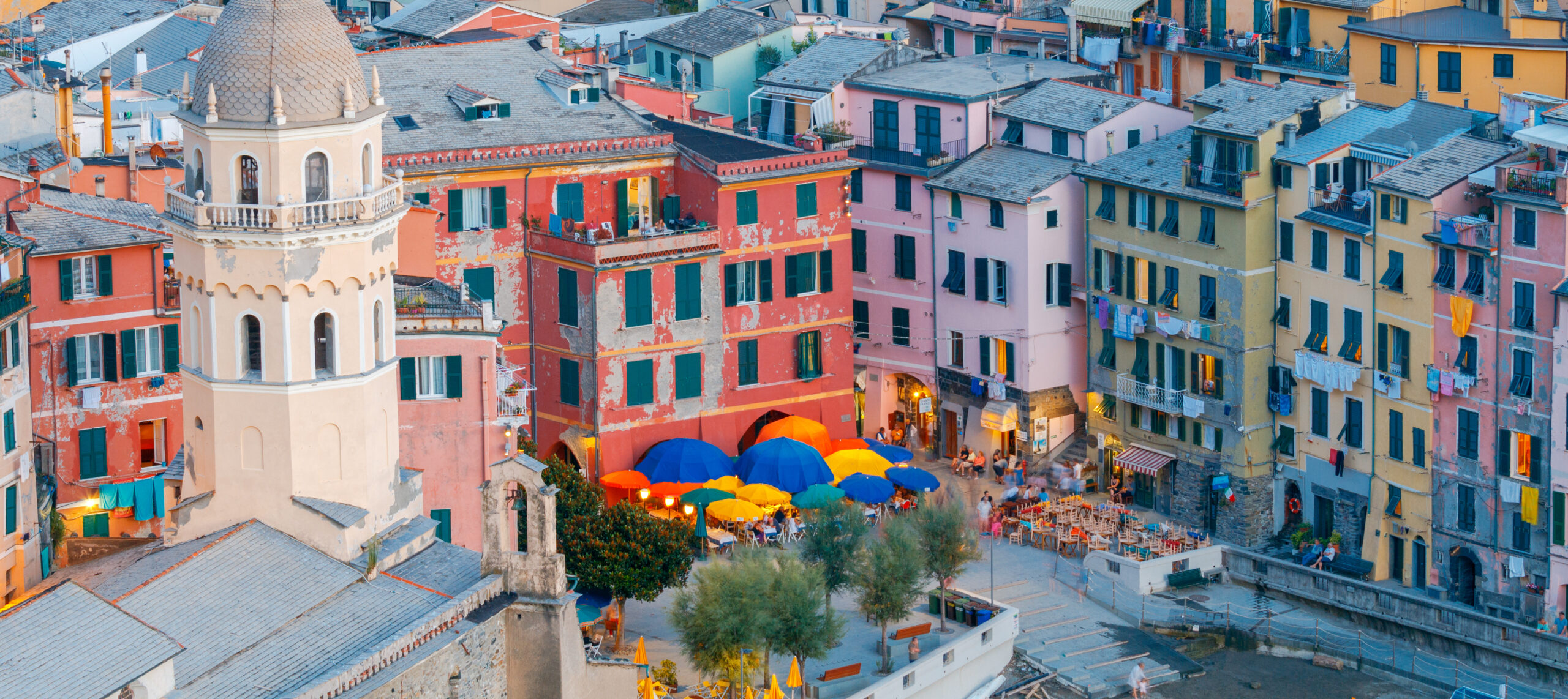
Parma’s name is often known before the city itself through Parmigiano Reggiano and Prosciutto di Parma. Tourism can place this familiarity back within landscape, time and culture.
The journey begins among the Baptistery, Cathedral, Teatro Farnese and Teatro Regio, then moves into the countryside.
In a cheese dairy, visitors see the product take material form; during maturation, they understand time as an ingredient. Prosciutto introduces other climatic conditions and skills.
Gastronomy thus becomes a key to the entire territory, among castles, farms and wineries.
Bologna and Milan make it easy to incorporate Parma into established itineraries. Art, landscape and production create an integrated experience.
Mantua and the Mincio: When the Renaissance Meets Water
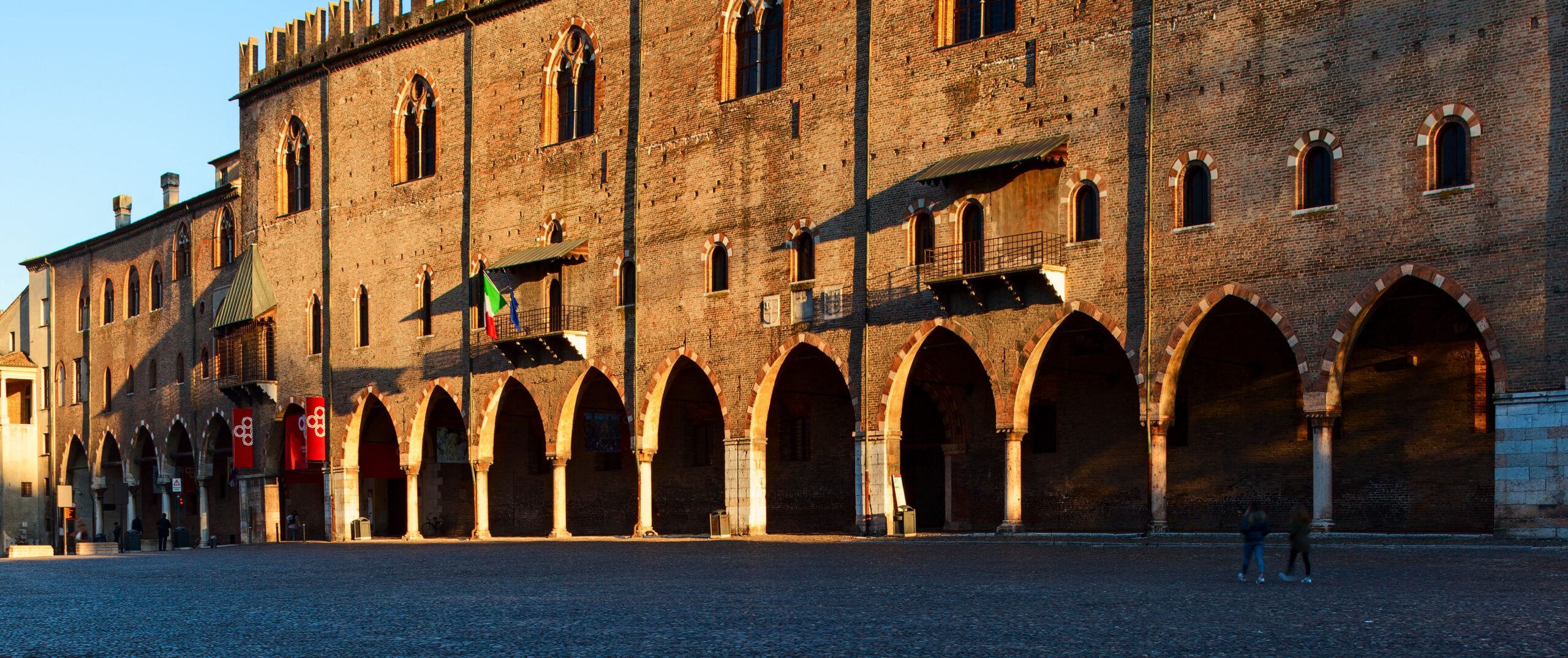
Palazzo Ducale, Mantegna’s Camera degli Sposi, Piazza Sordello and Palazzo Te bring to life the Gonzaga court and the European Renaissance.
The Mincio forms three lakes and connects the city to wetlands, countryside and cycling routes. A day can begin with Mantegna, continue by boat or bicycle and end at the table.
Mantua restores time to the journey, bringing together art and slow travel on a comprehensible scale.
Verona facilitates arrival; Lake Garda, Sabbioneta and Emilia broaden the programme. Its potential depends on presenting it as a reason to stay in its own right, rather than a detour.

Matera and the Murgia: Beyond the City the World Has Come to Know
Matera is no longer unknown: the Sassi are internationally recognised, and certain periods see significant concentrations of visitors.
Beyond the Gravina, however, the Murgia offers rock-hewn churches, trails and ancient traces. From the opposite side, the city appears carved into the rock.
Matera emerges from the long relationship between people, stone, water and the environment. Understanding it makes it possible to move beyond the iconic places and open the journey to Basilicata.
Rural landscapes, local production, walking routes and small towns extend the stay and change its quality.
Bari is the airport gateway; Matera is the entrance to a region even more surprising than its reputation suggests.
Cosenza and the Sila: The South That Is More Than the Sea
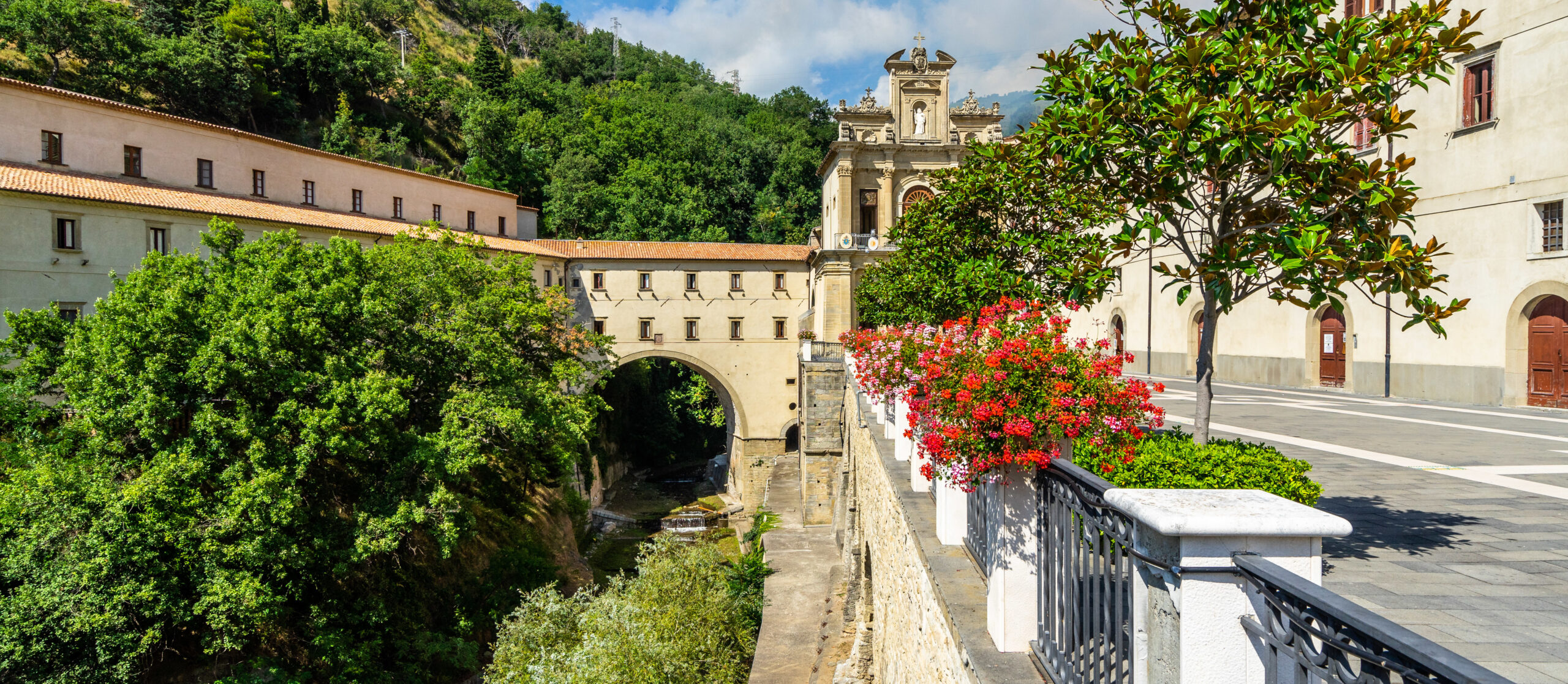
Calabria’s tourism image is often reduced to its coasts. Cosenza introduces the historic centre on Pancrazio Hill, churches and palaces, and the Norman-Swabian Castle above the Crati and Busento.
Then the journey climbs. The forests, pines, pastures and lakes of the Sila change perceptions of the South. Cecita, Arvo and Ampollino accompany trekking, mountain biking, villages and mountain cuisine across different seasons.
Woods, mushrooms, potatoes, cured meats and cheeses make the proximity of the sea surprising.
Lamezia Terme provides access to the interior and a transition from the Mediterranean to an almost Alpine environment, with the possibility of returning to the coast.
Heritage alone, however, does not make a destination marketable: transport, guides, hospitality and organisation determine its readiness for the international market.

From Place to Journey: The Supply Chain That Makes Discovery Possible
Inviting visitors to leave the classic routes is not enough. Organisational simplicity comparable to that of familiar destinations is needed.
Hotels, agritourism properties, guides, museums, producers, artisans and transport providers give substance to the journey. Inbound tourism works when the experience does not depend on improvisation.
A winery must communicate opening hours, capacity, languages and prices; a guide must be bookable; a producer must know their visitor capacity. A hotel must handle early departures, luggage, transfers and restaurants that are open.
The DMC turns fragmentation into realistic timings, reliable suppliers and alternatives, combining nature and culture without filling every moment.
In Parma, the day begins with the dairy’s working hours; in Mantua, palaces, boats and bicycles must not become a race. Matera opens up the Murgia; in the Sila, last-mile transport and weather alternatives are needed.
International distribution requires programmes, prices, conditions and an accountable contact. Operators do not buy a territory in the abstract, but a journey they can confidently offer.
Hospitality connects customers with producers and activities, or repeats the places found on platforms.
This continuity distinguishes attractions from a genuine international destination.

Not Lesser Alternatives, but Other Reasons to Travel
A catalogue of “less famous” places would continue to measure everything against the great icons.
Trieste, Parma, Mantua, Cosenza and the Sila do not have value because elsewhere is crowded. They already have reasons to visit.
Making them visible means connecting gateways and territories, strengthening the offering and helping operators build bookable experiences.
Rome, Florence and Venice can remain the first postcard. The challenge is not to desire them less, but also to desire what begins beyond their edges.

Sources
PromoTurismoFVG Trieste and the Karst: heritage, osmize and itineraries.
Parma Welcome: art, gastronomy and territory.
Parma Food Valley: agri-food supply chains and their connection to the territory.
Turismo Mantova The Lakes of Mantua: urban landscape and the Mincio.
Turismo Mantova Protected Areas: nature, heritage and cycling.
APT Basilicata Matera Itineraries: the Sassi and the Murgia.
Parco Nazionale della Sila Strategy and Action Plan: natural heritage and the Sila lakes.